
Paper airplanes are a timeless pastime that combine simple geometry with complex principles of aerodynamics. The act of folding stiff paper into a sleek winged craft allows anyone to experiment with lift, drag, and stability without any specialized equipment. When you follow a few proven folding techniques, even a child can launch a paper airplane that glides farther than the average adult.
📱 Download Our Apps on Google Play
Click any app below to install it from the Google Play Store.


Before you dive into building, it’s useful to understand why paper airplanes work. The air flowing over the paper’s curved surfaces generates lift, while the flat trailing edge creates drag. The balance between these forces determines the flight path—a delicate dance that can be tuned with small design changes. As you test different configurations, you’ll immediately see how simple tweaks alter performance.
Now that you know the basics, let’s move from theory to practice. Grab a crisp sheet of printer paper or any regular 8.5″ × 11″ stock; the type of paper influences weight and stiffness, which in turn affect flight distance. Remember, the thinner the sheet, the higher the potential for a long glide, but too thin and it may flex too easily. In our experiments, a standard 80 gsm sheet worked best.
To create a truly testable airplane, keep the design consistent across trials. That means measuring fold angles with a protractor, using a ruler to ensure symmetry, and avoiding hand‑toss techniques that introduce variability. The goal is to isolate the aerodynamic variables rather than your own tossing skill. Once you’ve built a basic model, you can systematically vary one factor—such as tail size—while holding everything else constant.
Step‑by‑Step Folding Guide
Follow these clear steps to construct a classic dart‑style paper airplane, the most popular model for testing aerodynamic principles.
- Step 1: Fold the paper in half lengthwise.
- Step 2: Unfold and fold the top corners to the center crease.
- Step 3: Fold the resulting triangle peak to the center.
- Step 4: Fold wings down to form the glider shape.
Design Variations That Impact Flight
Many features will influence how far and how smoothly your paper airplane travels. By experimenting with these variables, you can uncover the physics behind each change.
| Feature | Effect |
|---|---|
| Wing Span | Longer wings increase lift but also drag. |
| Tail Size | Heavier tails promote stability but reduce speed. |
| Wedge Angle | Sharper edges create more lift. |
| Material Thickness | Thicker paper resists flexing but may add weight. |
Testing Protocols for Accurate Comparisons
Consistency is the backbone of meaningful aerodynamic testing. Use the following setup to eliminate extraneous variables.
- Choose a long, flat indoor hallway or outdoor open field with minimal wind interference.
- Mark a release zone 1 meter above ground to provide a uniform launch height.
- Use a simple release stand built from popsicle sticks and a rubber band to ensure each take‑off is identical.
- Measure distance to your pre‑designated landing marker with a tape measure.
Recording and Analyzing Results
Collecting data systematically turns your experiment from hobby to science. Here’s how you can capture flight metrics.
- Record flight distance with a tape measure or a laser distance meter for higher precision.
- Use a smartphone camera mounted on a tripod to film each flight from above; timestamps help calculate speed.
- Upload videos to a cloud platform and download the frames to count the exact number of strides.
- Plot distance versus design variable in a spreadsheet; use linear regression to identify trends.
Referencing authoritative resources can deepen your understanding. For instance, Wikipedia Paper Airplane offers a concise overview of folding history, while Wikipedia Aerodynamics explains the physics behind lift and drag. Researchers at NASA Aeronautics also publish findings on flight stability that can inspire advanced tweaks. For deeper academic discussion, the MIT OpenCourseWare course on Aerodynamics is a valuable resource.
Conclusion
Paper airplanes are more than a childhood pastime; they are a hands‑on gateway to the science of flight. By carefully controlling design, testing environment, and data collection, you can transform a simple sheet of paper into a robust laboratory model that illustrates the fundamental laws of aerodynamics. Embrace the experimentation, refine your folds, and let each flight deepen your appreciation for the physics that keeps aircraft airborne. Build, launch, and test today—your next aerodynamic discovery awaits!
Frequently Asked Questions
Q1. What type of paper works best for aerodynamics?
The most common choice is a standard 8.5″ × 11″ printer sheet with a weight around 80 gsm. The combination of moderate stiffness and lightness provides stable lift while minimizing flex. Heavier cardstock or thin printer paper can both be tested but will produce noticeably shorter flights.
Q2. How does wing span affect flight distance?
Extending the wing span increases the lift area, allowing the plane to generate more thrust relative to drag. However, a longer span also raises the parasite drag, so there is an optimal range that balances these forces. In practice, a span of roughly 45 cm yields the best glide for most 80 gsm models.
Q3. Can I use different color paper for better performance?
Color alone doesn’t influence aerodynamics, but darker colors absorb more heat, potentially altering the paper’s humidity and flexibility slightly. Light-colored paper reflects sunlight, which may keep the sheet marginally cooler and stiffer during outdoor flights. Generally, use colorless or matte paper for consistent results.
Q4. What safety precautions should I take when testing?
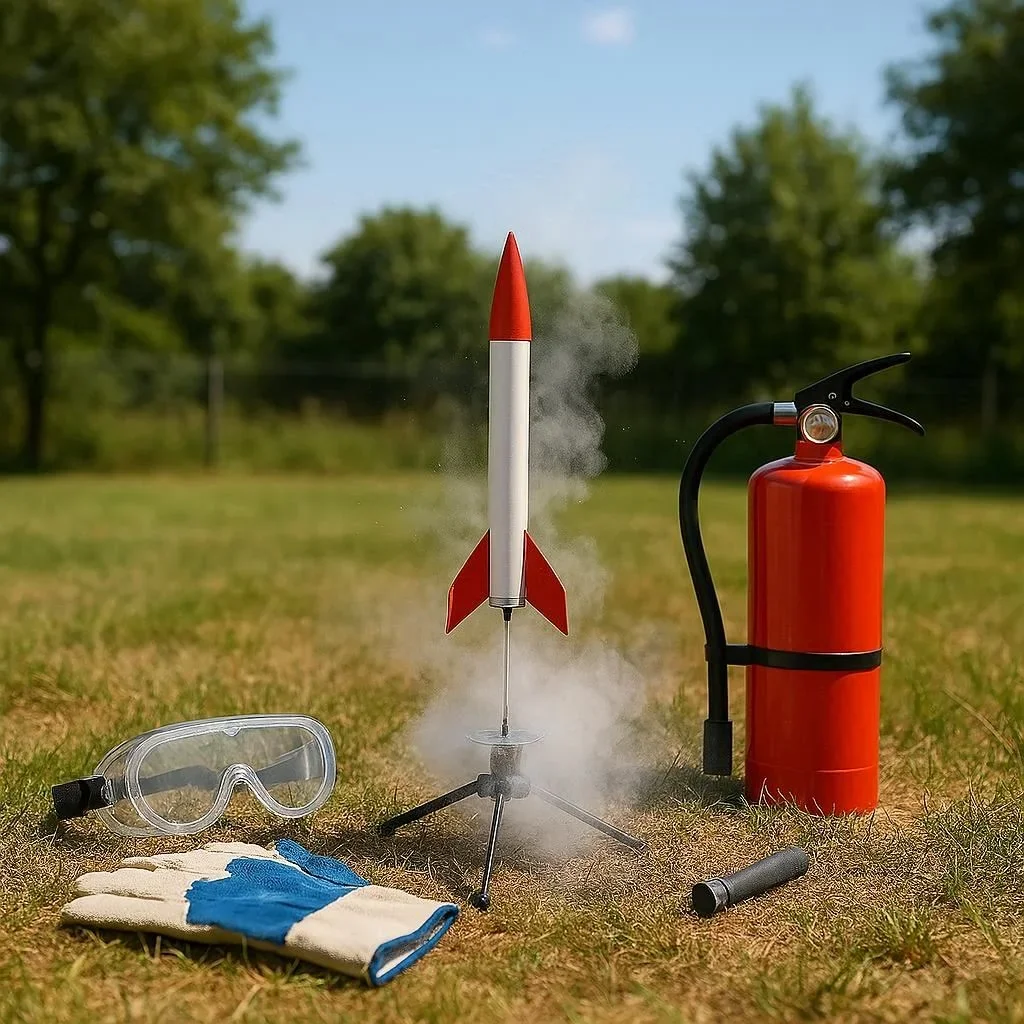
When launching, ensure the area is clear of obstructive objects and that the wind is calm. Wear safety glasses if you launch near others to protect eyes from unpredictable ricochets. Avoid slamming the paper onto hard surfaces as it may deform permanently.
Q5. How do I record more accurate flight measurements?
Use a trip‑witted smartphone camera with time‑stamped image capture for video logging, then export frames to a spreadsheet. Measure the displacement by overlaying a calibrated ruler in the video frame. Calibrate your distance sensor or tape measure at the start and end points to correct for any parallax error.
Related Articles

100+ Science Experiments for Kids
Activities to Learn Physics, Chemistry and Biology at Home
Buy now on Amazon
Advanced AI for Kids
Learn Artificial Intelligence, Machine Learning, Robotics, and Future Technology in a Simple Way...Explore Science with Fun Activities.
Buy Now on Amazon
Easy Math for Kids
Fun and Simple Ways to Learn Numbers, Addition, Subtraction, Multiplication and Division for Ages 6-10 years.
Buy Now on Amazon🚀 Try These Free Android Apps
Download these useful apps directly from the Google Play Store.