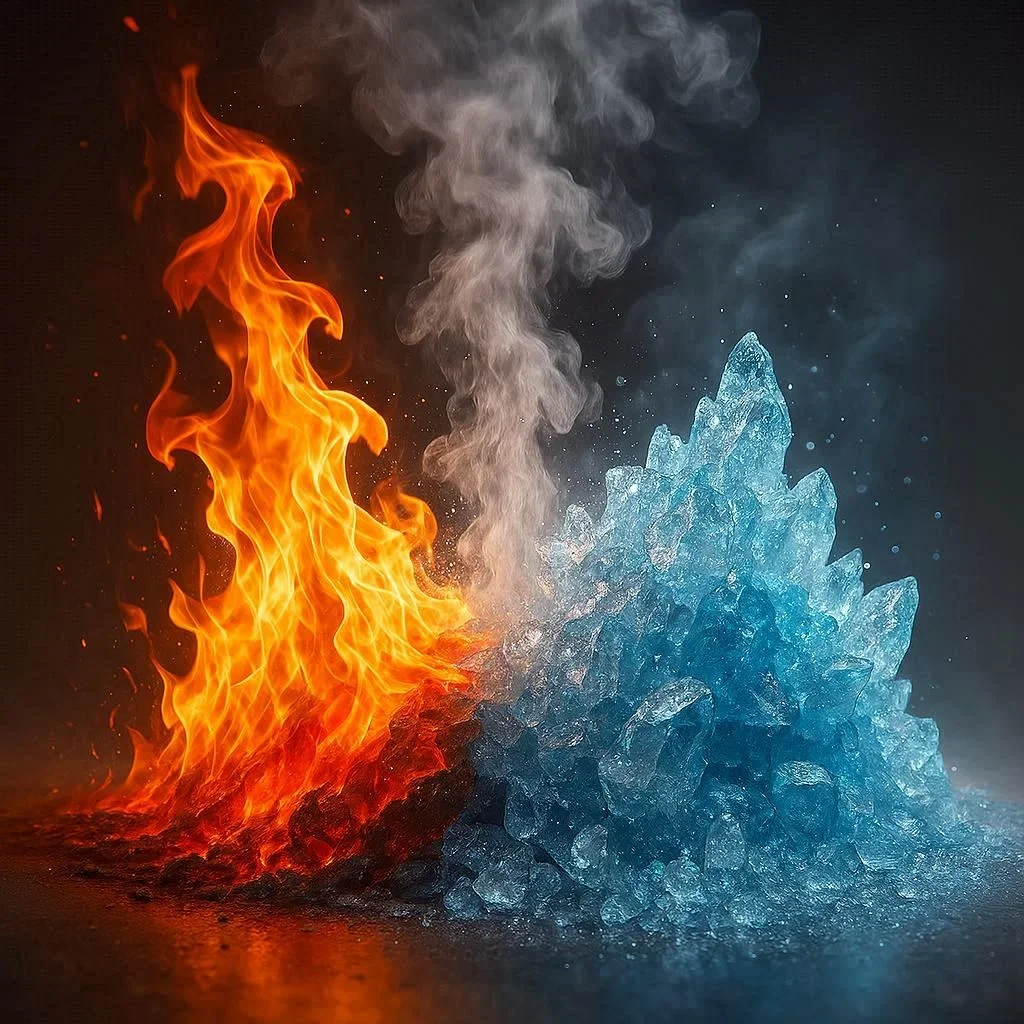

Salt crystals are a fascinating example of how simple chemistry can produce beautiful, symmetrical structures. By following a straightforward, science‑based method, you can grow your own salt crystals at home and witness the principles of crystal growth, chemical reactions, and the physics of crystals in action. This guide will walk you through the materials, steps, and observations needed to create stunning salt crystals while reinforcing key scientific concepts.
📱 Download Our Apps on Google Play
Click any app below to install it from the Google Play Store.



Understanding Crystal Structure and Salt Crystals
Crystals form when atoms or molecules arrange themselves in a repeating, orderly pattern. In the case of sodium chloride, the ions arrange in a cubic lattice, giving each crystal a characteristic shape. The study of crystal structure—known as crystallography—helps scientists predict how substances will behave in different environments. When you grow salt crystals, you’re essentially watching crystallography unfold in real time.
Materials Needed for Growing Salt Crystals
Gathering the right supplies is essential for a successful experiment. Below is a concise list of items you’ll need:
- Table salt (sodium chloride)
- Water (distilled or tap)
- Heat source (microwave or stove)
- Glass or plastic container with a lid
- Stirring utensil (spoon or stir stick)
- String or a small piece of wood (for hanging)
- Paper towel or cloth
- Optional: food coloring for visual enhancement
Step‑by‑Step Procedure for Growing Salt Crystals
Follow these steps to create a saturated salt solution and encourage crystal growth:
- Prepare the Saturated Solution: Heat 1 cup of water until it’s warm but not boiling. Add salt gradually, stirring until no more will dissolve. The solution should feel thick and syrupy.
- Cool and Settle: Allow the solution to cool to room temperature. This reduces evaporation and creates a stable environment for crystals to form.
- Introduce a Seed: Place a small piece of string or a wooden stick into the solution. This acts as a nucleation point where crystals can begin to grow.
- Cover and Wait: Seal the container with a lid or plastic wrap to minimize evaporation. Place it in a quiet, undisturbed area. Over the next 24–48 hours, crystals will begin to form on the string or stick.
- Observe and Record: Check the growth daily. Note changes in size, shape, and color. When the crystals reach your desired size, gently remove them and dry on a paper towel.
Observing Crystal Growth and Scientific Insights
As the crystals develop, you’ll notice several key phenomena:
- Growth Rate: The rate at which crystals grow depends on temperature, concentration, and the presence of impurities.
- Shape and Symmetry: Sodium chloride typically forms cubic crystals, but variations can occur due to environmental factors.
- Color Changes: Adding food coloring can help visualize the growth process, revealing how new layers form around the seed.
These observations illustrate the scientific method in practice: you form a hypothesis (e.g., “cooling the solution will slow crystal growth”), conduct an experiment, and analyze the results. The experiment also demonstrates the importance of controlled conditions in chemical reactions.
Applications and Further Exploration of Salt Crystals
Beyond the classroom, salt crystals have practical uses and inspire further study:
- Educational Tools: They serve as tangible examples in physics and chemistry lessons, helping students grasp abstract concepts.
- Industrial Processes: Understanding crystal growth is vital for producing high‑purity materials in pharmaceuticals and electronics.
- Art and Design: Artists use crystal structures to create visually striking installations and jewelry.
For those interested in deeper exploration, consider experimenting with different salts (e.g., potassium nitrate) or varying temperatures to see how crystal morphology changes. You can also compare your results with data from reputable sources such as the Wikipedia entry on sodium chloride or the USGS website for detailed crystallographic information.
Conclusion: Harness the Power of Crystal Science
Growing salt crystals is more than a fun science experiment—it’s a gateway to understanding the fundamental principles that govern the natural world. By observing crystal growth, you gain insight into chemical reactions, the physics of crystals, and the scientific method itself. Whether you’re a student, educator, or curious hobbyist, this simple activity offers a hands‑on lesson in the beauty and precision of science.
Ready to explore the world of crystals? Grab your salt, water, and a little patience, and start growing your own salt crystals today. Share your results and inspire others to discover the science behind the sparkle!
For more educational experiments, visit Science Buddies or check out the MIT OpenCourseWare on crystallography to deepen your understanding.
Frequently Asked Questions
Q1. What materials do I need to grow salt crystals?
You’ll need table salt (sodium chloride), water (distilled or tap), a heat source such as a microwave or stove, a glass or plastic container with a lid, a stirring utensil, a small piece of string or wood for nucleation, and optionally food coloring for visual enhancement. A paper towel or cloth is useful for drying the finished crystals. All of these items are inexpensive and easy to find at most grocery or hardware stores.
Q2. How do I create a saturated salt solution?
Heat about one cup of water until it’s warm but not boiling. Gradually add salt while stirring until no more dissolves; the solution should feel thick and syrupy. Let the mixture cool to room temperature before proceeding to the next step. This saturated solution provides the necessary ions for crystal growth.
Q3. Why do salt crystals form cubic shapes?
Sodium chloride ions arrange themselves in a cubic lattice, which is the most energetically favorable structure for this compound. As the solution cools, ions deposit onto the seed in this orderly pattern, producing the familiar cube. Variations in temperature or impurities can slightly alter the shape, but the cubic form remains dominant.
Q4. Can I use other salts to grow crystals?
Yes, many salts such as potassium nitrate, copper sulfate, or sugar can crystallize under similar conditions. Each salt has its own solubility and crystal habit, so experimenting with different chemicals can reveal a variety of shapes and colors. Just be sure to use food‑grade or laboratory‑grade salts for safety.
Q5. How long does it take for crystals to grow?
Crystal growth typically begins within a few hours after the solution is seeded. Visible growth usually occurs over 24–48 hours, but larger crystals may take several days. Patience and a stable environment—minimal disturbance and consistent temperature—are key to successful results.
Related Articles

100+ Science Experiments for Kids
Activities to Learn Physics, Chemistry and Biology at Home
Buy now on Amazon
Advanced AI for Kids
Learn Artificial Intelligence, Machine Learning, Robotics, and Future Technology in a Simple Way...Explore Science with Fun Activities.
Buy Now on Amazon
Easy Math for Kids
Fun and Simple Ways to Learn Numbers, Addition, Subtraction, Multiplication and Division for Ages 6-10 years.
Buy Now on Amazon🚀 Try These Free Android Apps
Download these useful apps directly from the Google Play Store.