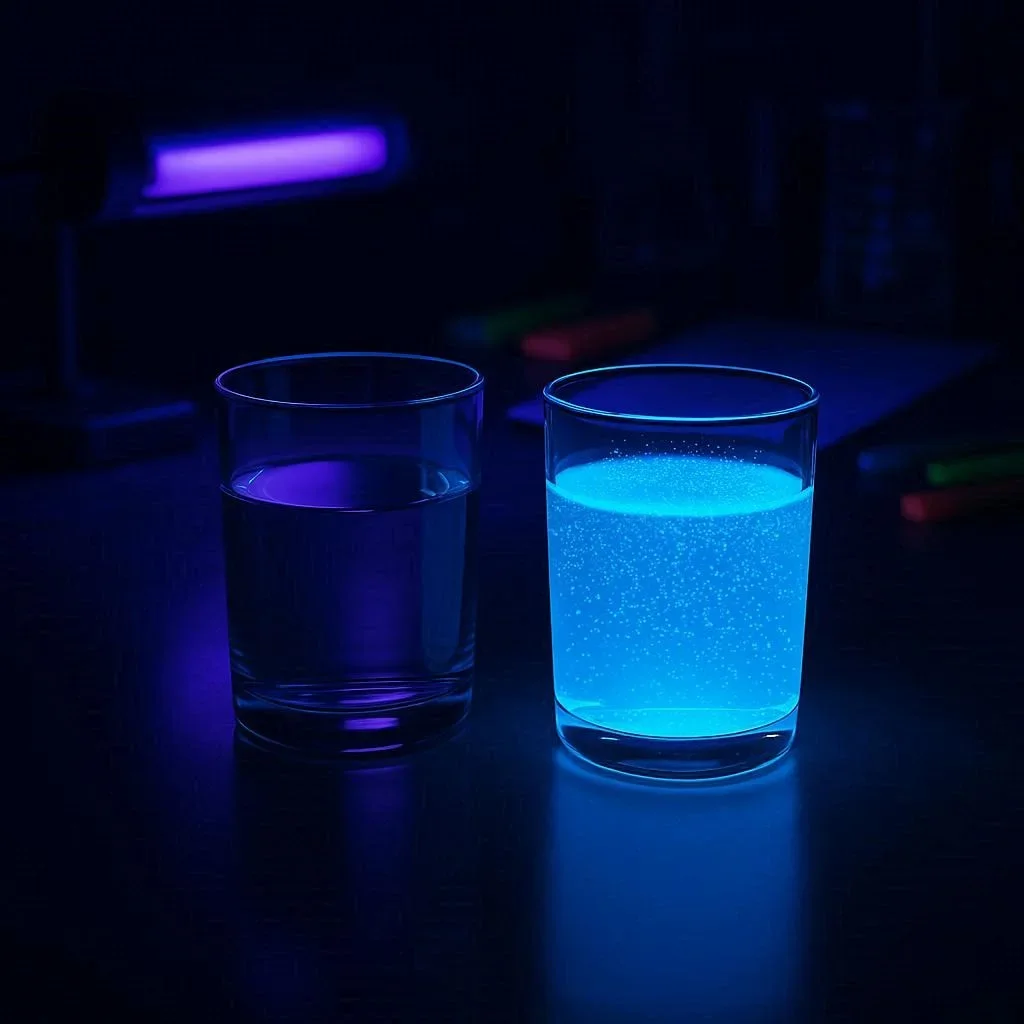

Glow‑in‑the‑dark materials have fascinated scientists and hobbyists alike for decades, offering a silent, mesmerizing glow that appears after exposure to light. At the heart of this phenomenon lies the interaction between ultraviolet (UV) light and phosphorescent compounds. Understanding how UV light affects glow‑in‑the‑dark materials is essential for optimizing performance, extending lifespan, and ensuring safety in applications ranging from emergency signage to artistic installations. In this article, we explore the science behind phosphorescence, the mechanisms by which UV light energizes these materials, and the practical implications for designers, manufacturers, and consumers.
Understanding Phosphorescence
Phosphorescence is a type of photoluminescence where a material absorbs photons and then re‑emits them over an extended period. Unlike fluorescence, which ceases almost immediately after the excitation source is removed, phosphorescent materials can glow for minutes or even hours. This delayed emission is due to the presence of “forbidden” electronic transitions that require a spin‑flip, making the return to the ground state slower. The result is a sustained glow that can be harnessed in a variety of contexts.
Key components of phosphorescent materials include a host matrix—often a polymer or inorganic crystal—and dopant ions such as zinc sulfide (ZnS) or strontium aluminate (SrAl₂O₄). These dopants create energy traps that capture excited electrons. When UV light excites the material, electrons jump to higher energy levels and become trapped. Over time, they slowly release, emitting visible light in the process.
Mechanisms of UV Interaction
UV light, with wavelengths ranging from 10 to 400 nanometers, carries enough energy to excite electrons in phosphorescent compounds. The interaction can be broken down into several stages:
- Absorption: UV photons are absorbed by the host matrix, promoting electrons to an excited state.
- Energy Transfer: Excited electrons transfer energy to dopant ions, creating localized energy traps.
- Trapping: Electrons become trapped in metastable states, preventing immediate recombination.
- Delayed Emission: Over time, trapped electrons slowly release, recombining with holes and emitting visible photons.
The efficiency of this process depends on several factors, including the purity of the dopant, the crystal lattice structure, and the presence of quenching agents. For instance, strontium aluminate doped with europium and dysprosium offers a higher quantum yield than zinc sulfide, resulting in brighter and longer‑lasting glow.
Practical Applications and Limitations
Glow‑in‑the‑dark materials find use in safety signage, toy manufacturing, decorative lighting, and even medical imaging. However, their performance is constrained by the intensity and wavelength of UV exposure, as well as environmental conditions such as temperature and humidity.
Below is a list of common applications and the specific UV requirements for each:
- Emergency exit signs: Require a minimum of 365‑nm UV exposure for 30 seconds to achieve a 10‑minute afterglow.
- Children’s toys: Often use lower‑intensity UV lamps to reduce health risks while still providing a visible glow.
- Architectural lighting: Employ high‑intensity UV LEDs to charge large panels quickly.
- Scientific instruments: Use controlled UV sources to calibrate phosphorescent sensors.
Limitations arise from photobleaching—where prolonged UV exposure degrades the phosphorescent compound—and from the fact that ambient light can prematurely deplete stored energy. Manufacturers mitigate these issues by incorporating UV‑resistant coatings and by selecting dopants with higher photostability.
Future Directions in Luminescent Research
Recent advances in nanotechnology and material science are opening new avenues for enhancing glow‑in‑the‑dark performance. Researchers are exploring:
- Quantum dot‑based phosphors that offer tunable emission wavelengths.
- Hybrid organic‑inorganic perovskites with superior energy storage capacities.
- Biodegradable phosphorescent polymers for eco‑friendly applications.
- Smart coatings that adjust glow intensity in response to environmental stimuli.
These innovations promise brighter, longer‑lasting, and more environmentally sustainable glow‑in‑the‑dark solutions. However, rigorous testing is essential to ensure that new materials meet safety standards, particularly regarding UV exposure limits.
Conclusion and Call to Action
Understanding how UV light affects glow‑in‑the‑dark materials is crucial for anyone involved in product design, safety compliance, or creative lighting. By selecting the right dopants, optimizing UV exposure, and staying informed about emerging technologies, you can harness the full potential of phosphorescent materials while safeguarding health and longevity.
Ready to elevate your next project with cutting‑edge glow‑in‑the‑dark solutions? Contact our materials science team today to explore custom phosphorescent formulations tailored to your needs.
For more in‑depth information, visit these authoritative resources:
- Phosphorescence – Wikipedia
- NASA UV Radiation Overview
- MIT Research on Luminescent Materials
- CDC UV Safety Guidelines
Frequently Asked Questions
Q1. What is phosphorescence and how does it differ from fluorescence?
Phosphorescence is a type of photoluminescence where a material absorbs photons and then re‑emits them over an extended period. Unlike fluorescence, which stops almost immediately after the excitation source is removed, phosphorescent materials can glow for minutes or even hours. This delayed emission is due to forbidden electronic transitions that require a spin‑flip, slowing the return to the ground state.
Q2. How does UV light energize glow‑in‑the‑dark materials?
UV photons are absorbed by the host matrix, promoting electrons to an excited state. These excited electrons transfer energy to dopant ions, creating localized traps. Over time, trapped electrons slowly release, recombining with holes and emitting visible photons, which produces the afterglow.
Q3. What factors influence the brightness and duration of the glow?
Key factors include the purity and type of dopant, the crystal lattice structure, the intensity and wavelength of the UV source, and environmental conditions such as temperature and humidity. Higher quantum yield dopants like strontium aluminate doped with europium and dysprosium produce brighter, longer‑lasting glow. Photobleaching and ambient light exposure can also reduce performance.
Q4. Are there safety concerns with using UV light for charging glow materials?
Yes, prolonged exposure to high‑intensity UV can pose health risks, including skin and eye damage. It is important to use UV sources within recommended exposure limits and to employ protective eyewear and shielding. Manufacturers often design products with UV‑resistant coatings to mitigate these risks.
Q5. What future developments are expected in phosphorescent technology?
Emerging research focuses on quantum dot‑based phosphors, hybrid perovskite materials, biodegradable polymers, and smart coatings that adjust glow intensity. These innovations aim to increase brightness, extend afterglow duration, and improve environmental sustainability while maintaining safety standards.