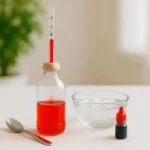
Water xylophones are a fascinating blend of art, science, and hands‑on learning. By simply filling glass bottles with varying amounts of water, you can create a resonant instrument that teaches the fundamentals of sound waves, frequency, and acoustic physics. In this guide, we’ll walk you through the process of Make Water Xylophones, explore the science behind the tones, and show how this DIY project can spark curiosity in students and hobbyists alike.
Why Build Water Xylophones?
Creating a water xylophone offers several educational and creative advantages. First, it provides a tangible demonstration of how sound waves are produced and how frequency changes with the length of the vibrating medium. When you adjust the water level, you alter the effective length of the air column, which changes the pitch. This hands‑on experiment reinforces concepts from physics classes and can be used in music education to illustrate the relationship between vibration and tone.
Second, water xylophones are inexpensive and safe. All you need are common household items—glass bottles, a ruler, and a source of water—making it an ideal project for classrooms, after‑school clubs, or family science nights. Finally, the instrument encourages experimentation: students can record their sounds, compare notes, and even design their own “songs” using the water levels as notes.
Materials and Tools Needed
Before you start, gather the following items:
- 10–12 clear glass bottles (e.g., water bottles, soda bottles, or wine glasses)
- Water (tap or distilled)
- Ruler or measuring tape
- Marker or tape for labeling
- Sturdy base or board to mount the bottles
- Optional: small mallet or stick for striking
- Optional: waterproof sealant if you plan to use the instrument outdoors
All of these materials are readily available, and the entire setup can be assembled in under an hour.
Step‑by‑Step Construction Guide
Follow these steps to Make Water Xylophones that produce clear, resonant tones:
- Prepare the Bottles: Clean each bottle thoroughly and dry it. If you’re using wine glasses, ensure they’re free of cracks.
- Mark the Scale: Using a ruler, mark a 1‑inch interval on each bottle’s neck. These marks will help you set consistent water levels.
- Fill with Water: Start with the lowest bottle and fill it to the first mark. Then, fill the next bottle to the second mark, and so on. The higher the bottle, the more water it holds, which lowers the pitch.
- Secure the Bottles: Place the bottles on a sturdy base. You can use a wooden board or a plastic tray. If you want a more polished look, glue the bottles to the board or use a mounting bracket.
- Test the Tones: Gently tap each bottle with a mallet or your hand. Adjust the water level if a note sounds off. Aim for a clear, ringing tone.
- Label the Notes: Write the note name (e.g., C, D, E) next to each bottle. This helps students identify pitches and create melodies.
- Optional – Add a Resonator: Place a small bowl or a second set of bottles behind the first set to amplify the sound.
Once you’ve completed these steps, you’ll have a functional water xylophone ready for experimentation.
Exploring Sound with Water Xylophones
Now that your instrument is built, you can dive into a range of scientific investigations:
- Frequency Analysis: Use a smartphone app or a simple frequency meter to measure the pitch of each bottle. Compare the measured frequencies to the expected values based on the air column length.
- Resonance and Harmonics: Observe how the sound changes when you strike the bottle at different points along the neck. This demonstrates the concept of nodes and antinodes in standing waves.
- Temperature Effects: Warm the water slightly and note how the pitch rises. This illustrates how temperature affects the speed of sound in air.
- Creative Composition: Encourage students to compose short melodies using the water xylophone. This activity blends music theory with physics, reinforcing both disciplines.
These experiments not only deepen understanding of acoustic physics but also foster creativity and critical thinking.
Educational Benefits and Classroom Integration
Incorporating water xylophones into the curriculum offers several benefits:
- Interdisciplinary Learning: Combines physics, music, and engineering.
- Hands‑On Engagement: Students actively build and test the instrument.
- Promotes scientific inquiry by encouraging hypothesis testing and data collection.
- Supports STEM education initiatives by providing a low‑cost, high‑impact activity.
Teachers can use the instrument for labs, demonstrations, or as a project for science fairs. The simplicity of the materials ensures that the activity is accessible to all students, regardless of background.
Conclusion and Call to Action
Building a water xylophone is a rewarding way to explore the science of sound while creating a unique musical instrument. By following the steps above, you can Make Water Xylophones that not only produce beautiful tones but also serve as a powerful educational tool. Whether you’re a teacher, a parent, or a curious hobbyist, this project invites you to experiment, learn, and share the joy of acoustic discovery.
Ready to dive into the world of resonant water? Start making water xylophones today and explore the science of sound.
For more detailed information on the physics of sound and acoustic instruments, visit these authoritative resources:
- Xylophone – Wikipedia
- Sound – Wikipedia
- National Science Foundation – Physics
- University of Delaware – Physics Department
Frequently Asked Questions
Q1. What materials do I need to make a water xylophone?
You’ll need 10–12 clear glass bottles, a ruler or measuring tape, a marker or tape for labeling, a sturdy base or board to mount the bottles, and water. Optional items include a small mallet or stick for striking and a waterproof sealant if you plan to use the instrument outdoors. All of these materials are inexpensive and can be found in most households or local stores. Cleaning the bottles thoroughly before use ensures clear tones and prevents contamination. With these supplies, you can assemble a functional water xylophone in under an hour.
Q2. How does the water level affect the pitch of each bottle?
The water level determines the length of the air column inside the bottle, which in turn sets the resonant frequency. When you add more water, the air column shortens, raising the pitch; removing water lengthens the column, lowering the pitch. This relationship follows the inverse proportionality between air column length and frequency. By adjusting the water to precise marks, you can tune each bottle to a specific note. The effect is a clear demonstration of how physical dimensions influence sound.
Q3. Can I use plastic bottles instead of glass?
Plastic bottles can be used, but they often produce a muffled tone because the material absorbs vibrations. Glass provides a bright, ringing sound that is ideal for a xylophone. If you choose plastic, try using thicker bottles or adding a small metal rim to improve resonance. You may also experiment with different bottle shapes to find the best acoustic properties. However, for the most authentic experience, glass remains the preferred choice.
Q4. How can I incorporate a water xylophone into a classroom lesson?
Start with a brief explanation of sound waves and frequency, then let students build their own bottles. Use the instrument to demonstrate how changing the air column length changes pitch, and have students record the notes. Follow up with a simple composition activity where students create melodies using the tuned bottles. You can also integrate data collection by measuring frequencies with a smartphone app. This hands‑on approach reinforces physics concepts while fostering creativity.
Q5. What safety precautions should I take when building a water xylophone?
Handle all glass bottles with care to avoid breakage; wear gloves if necessary. Ensure the base is stable so bottles do not tip over during play. Do not overfill bottles, as excess water can spill and create a slip hazard. Keep the area dry and free of clutter to prevent accidents. If using the instrument outdoors, apply a waterproof sealant to protect the glass from weather damage.