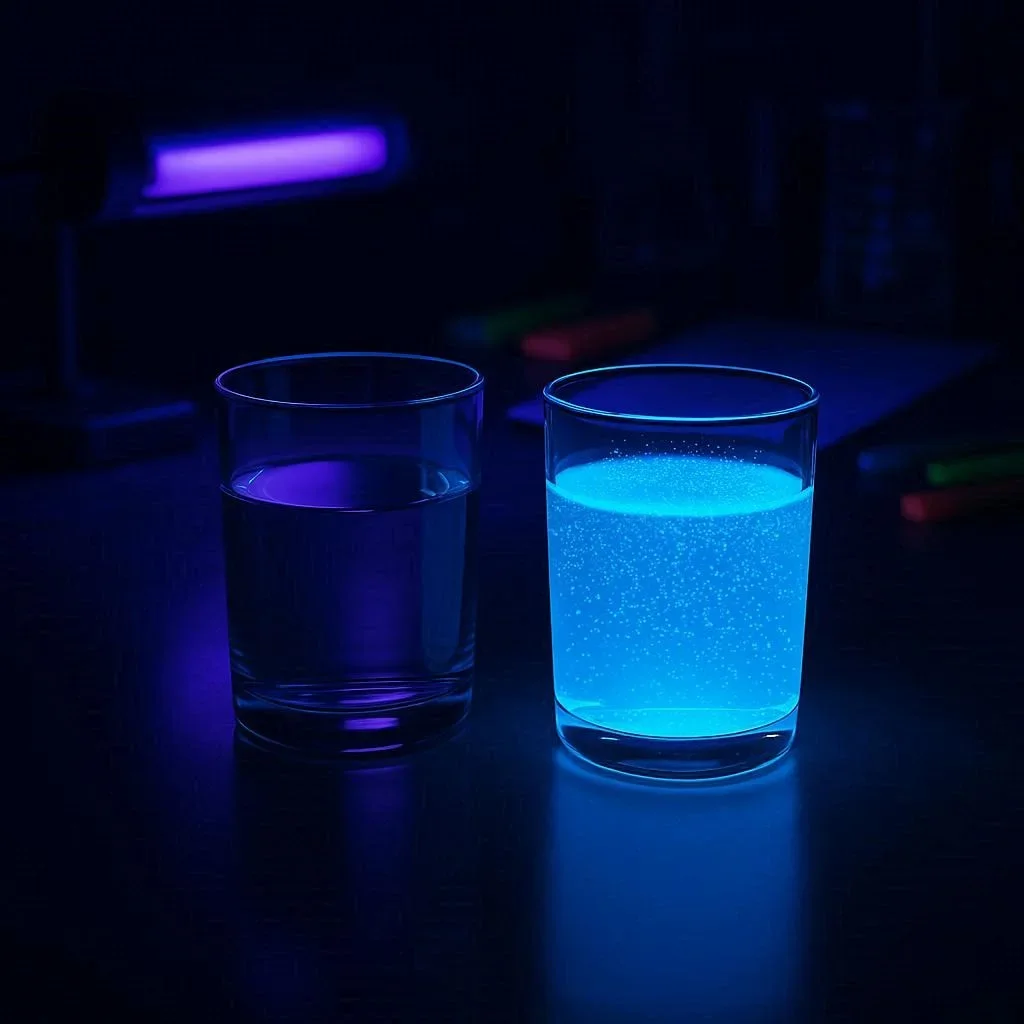

The allure of the night is undeniable, and for many, it’s intertwined with a desire for wonder. From the subtle shimmer of stars on a clear night to the captivating glow of bioluminescent organisms, the ability to create light – or mimic it – has captivated humanity for centuries. And now, you can do just that! Creating glow-in-the-dark experiments is more accessible than ever thanks to readily available materials and increasingly sophisticated techniques. This guide will walk you through a range of projects, from simple demonstrations to slightly more involved setups, empowering you to harness the magic of light manipulation in your own home or classroom.
📱 Download Our Apps on Google Play
Click any app below to install it from the Google Play Store.


Understanding the Science Behind Glow-in-the-Dark
Before diving into specific experiments, it’s crucial to understand *why* these materials glow. The core principle relies on a phenomenon called thermoluminescence. This occurs when atoms within a material absorb energy (typically from light) and then release that energy as heat – essentially, they “glow” due to the movement of electrons. The rate at which this happens is influenced by several factors: temperature, the material’s composition, and the presence of impurities. Different materials respond differently to these variables, leading to a wide spectrum of colors and intensities.
Types of Glow-in-the-Dark Materials
Several materials excel at creating glow-in-the-dark effects. Let’s explore some popular choices:
- Glow Sticks:** These are the classic example, utilizing a phosphor coating that emits light when stimulated by an electric current.
- Phosphorescent Paint:** A versatile option, offering a range of colors and intensities. It’s often used in crafts and art projects.
- Light-Emitting Dyes (LEDs):** These provide a brighter, more consistent glow than traditional phosphorescent materials. They require a power source, typically a battery or LED strip.
- Bioplastics:** Made from renewable resources like cornstarch, these offer a sustainable alternative to conventional plastics and can produce a beautiful, subtle glow.
Researching the specific properties of each material – their temperature sensitivity, color range, and ease of use – is key to selecting the best option for your experiment.
Simple Glow-in-the-Dark Experiments – A Beginner’s Toolkit
Let’s start with some easy and accessible experiments that you can perform right away:
Experiment 1: The Classic Glow Stick
This is the most fundamental glow-in-the-dark experiment. You’ll need a glow stick, a battery (typically AA or AAA), and a small container to hold it. Simply insert the glow stick into the container, ensuring the tip is submerged in the liquid. The glow stick will begin to emit light as soon as you activate it. The intensity of the glow depends on the length of the glow stick – longer sticks produce more light.
Tips for Success:** Experiment with different lengths of glow sticks to observe how the brightness changes. Consider using a darker container to minimize ambient light interference.
Experiment 2: Phosphorescent Paint Diffusion
This experiment demonstrates how phosphorescent paint can diffuse light, creating a more even and subtle glow. You’ll need a small amount of phosphorescent paint, water, and a clear glass or plastic container. Slowly drip the paint onto the surface of the water, allowing it to spread out. The paint will begin to glow as it diffuses through the water.
Note:** This experiment requires patience; the diffusion process can take some time to establish a noticeable effect.
Experiment 3: Light-Emitting Dye in a Jar
This experiment utilizes light-emitting dyes (LEDs) within a clear glass jar. You’ll need an LED strip, a small jar, and water. Carefully place the LED strip inside the jar, ensuring it’s submerged in the water. The LED will emit a gentle glow as it illuminates the water.
Caution:** Always use appropriate safety precautions when working with LEDs – avoid direct contact with the light source and ensure proper ventilation.
Advanced Glow-in-the-Dark Projects – Expanding Your Horizons
Once you’ve mastered the basics, you can explore more complex projects:
Experiment 4: Glow-in-the-Dark Stencils
Create stunning stencils using glow-in-the-dark paint or dye. These can be used to create patterns on fabric, paper, or even surfaces like wood. Experiment with different stencil designs and colors.
Materials Needed:** Glow-in-the-dark paint/dye, stencils (pre-made or created), templates (optional).
Experiment 5: Bio-luminescent Plant Growth
This experiment utilizes bioluminescent bacteria to create a glowing effect in plants. You’ll need a suitable plant species (e.g., mushrooms, ferns), sterile water, and a source of bacterial cultures. This requires careful planning and execution.
Important Note:** Always research the specific needs of your chosen plant species before attempting this experiment.
Experiment 6: Creating Glow-in-the-Dark Jewelry
Transform ordinary jewelry pieces with a subtle glow. You can use glow sticks, phosphorescent paint, or even LED lights to create unique and eye-catching designs. Consider incorporating beads, charms, or other embellishments.
Conclusion
Creating glow-in-the-dark experiments is a rewarding process that combines science, creativity, and a touch of magic. By understanding the underlying principles – thermoluminescence, light diffusion, and material properties – you can tailor your experiments to create stunning visual effects. Whether you’re exploring simple demonstrations for children or creating elaborate installations for special occasions, the possibilities are truly endless. Experimentation is key; don’t be afraid to try new things and discover what works best for you. With a little patience and creativity, you can unlock the captivating power of light manipulation.

100+ Science Experiments for Kids
Activities to Learn Physics, Chemistry and Biology at Home
Buy now on Amazon
Advanced AI for Kids
Learn Artificial Intelligence, Machine Learning, Robotics, and Future Technology in a Simple Way...Explore Science with Fun Activities.
Buy Now on Amazon
Easy Math for Kids
Fun and Simple Ways to Learn Numbers, Addition, Subtraction, Multiplication and Division for Ages 6-10 years.
Buy Now on Amazon🚀 Try These Free Android Apps
Download these useful apps directly from the Google Play Store.