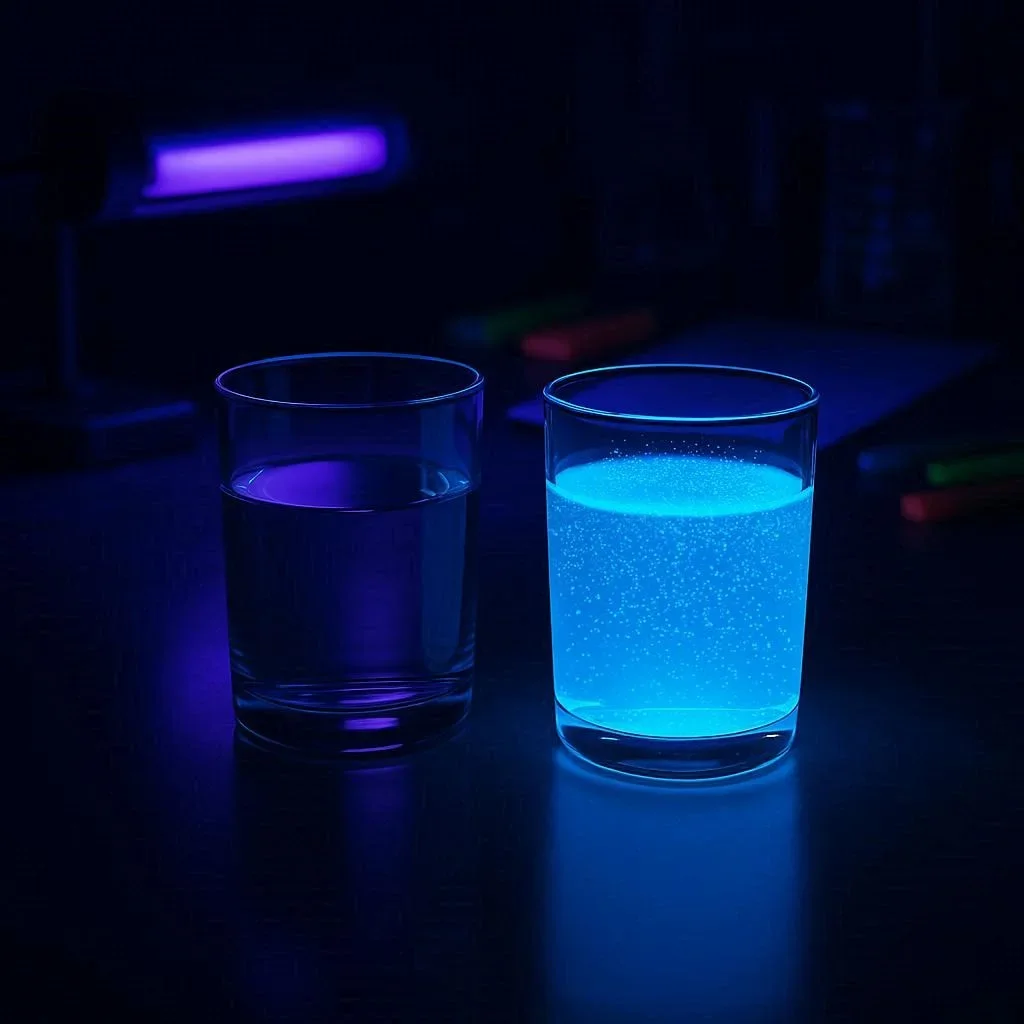

Want to delve into the fascinating world of chemistry without breaking the bank or needing a lab? Building your own acid-base indicator laboratory at home is surprisingly accessible and incredibly rewarding. It’s a fantastic way to learn about pH, chemical reactions, and the fundamental principles behind many everyday phenomena. This comprehensive guide will walk you through everything you need to know, from choosing materials to understanding the science behind these simple yet powerful tools.
📱 Download Our Apps on Google Play
Click any app below to install it from the Google Play Store.


The beauty of building an indicator lab at home lies in its affordability and creativity. You don’t need a fancy laboratory setup; with a few basic supplies, you can create a miniature, functional system that replicates many of the principles used in professional labs. This allows for hands-on learning, experimentation, and a deeper appreciation for chemical processes.
Understanding pH: The Foundation of Indicator Design
Before we dive into building your indicator, let’s quickly review what pH is and why it’s so important. pH measures the acidity or alkalinity of a solution. It’s defined as the concentration of hydrogen ions (H+) in water. A lower pH indicates higher acidity, while a higher pH indicates higher alkalinity.
Acid-base indicators are substances that change color depending on whether a solution is acidic, basic, or neutral. They work by reacting with specific ions present in the solution, producing a distinct color change. The type of indicator used depends on the particular ion being measured – for example, litmus paper works best for testing acidity, while phenolphthalein is ideal for measuring alkalinity.
Choosing Your First Indicator: A Starting Point
There are countless acid-base indicators available, but starting with a simple one like litmus paper is the best approach. Litmus paper is readily available and relatively inexpensive, making it an excellent choice for beginners. It’s a good initial indicator to understand the basic principles of color change.
Materials You’ll Need: Building Your Indicator Kit
Here’s a breakdown of the materials you’ll need to construct your own indicator lab:
- Acid:** A strong acid solution, such as hydrochloric acid (HCl) or sulfuric acid (H₂SO₄). Ensure it is properly diluted.
- Base:** A base solution, typically sodium hydroxide (NaOH) or potassium hydroxide (KOH). Again, ensure proper dilution.
- Indicator:** Litmus paper, phenolphthalein, methyl orange, or bromothymol blue – choose one based on the type of acid/base you’re testing.
- Distilled Water:** Essential for accurate measurements and dilutions.
- Beakers & Graduated Cylinders:** For precise volume measurements.
- pH Meter (Optional but Recommended):** A digital pH meter will provide more accurate readings than litmus paper, but it’s not strictly necessary for a basic setup.
- Thermometer: **** To monitor the temperature of your solutions – important for some indicators.
Safety precautions are paramount when working with acids and bases. Always wear appropriate personal protective equipment (PPE), including gloves, eye protection, and lab coats. Work in a well-ventilated area.
Building Your Indicator: A Step-by-Step Guide
Let’s walk through the process of building your indicator lab:
- Step 1: Prepare the Solutions:** Carefully dilute your acid and base solutions to create a suitable concentration range for your chosen indicator. A good starting point is often 0.1 M or 0.2 M.
- Step 2: Mix the Indicators:** Add a small amount of the indicator to each solution, stirring gently to ensure it’s evenly distributed.
- Step 3: Observe and Record:** Observe the color change of the indicator as you add more of the solution. Note down the color change and the corresponding pH value.
- Step 4: Repeat Measurements:** Perform multiple trials with each solution to ensure consistent results. Take note of any variations in color or intensity.
Understanding Color Changes & Indicator Properties
Different indicators have different properties that determine how they change color. Let’s explore some key aspects:
- pH Dependence:** Indicators are most effective within a specific pH range. They will produce a distinct color change at a particular pH value.
- Indicator Strength:** The concentration of the indicator determines the intensity of the color change. A higher concentration typically results in a more dramatic shift.
- Temperature Sensitivity:** Some indicators are temperature-sensitive, meaning their color changes can be affected by temperature fluctuations.
Troubleshooting & Tips for Success
Building an indicator lab isn’t always perfect. Here are some common issues and how to troubleshoot them:
- Color Changes Not Consistent:** Ensure you’re using fresh solutions, properly diluted, and that the indicators are not expired.
- Indicator Degradation:** Indicators can degrade over time, so it’s important to replace them periodically.
- Incorrect pH Measurements:** Use a calibrated pH meter for accurate measurements.
Conclusion
Building your own acid-base indicator laboratory is a fantastic way to foster scientific curiosity and develop critical thinking skills. It’s a hands-on, engaging experience that allows you to explore fundamental chemical principles in a tangible way. While it might not replicate the precision of a professional lab, it provides a valuable foundation for further learning and experimentation.
Conclusion
In conclusion, building an acid-base indicator laboratory at home is a rewarding project that combines scientific exploration with practical skills. It’s a fantastic way to introduce students to the world of chemistry, fostering curiosity and encouraging them to investigate the properties of substances around them. This simple experiment offers a powerful demonstration of how chemical reactions can be observed and quantified through careful experimentation.

100+ Science Experiments for Kids
Activities to Learn Physics, Chemistry and Biology at Home
Buy now on Amazon
Advanced AI for Kids
Learn Artificial Intelligence, Machine Learning, Robotics, and Future Technology in a Simple Way...Explore Science with Fun Activities.
Buy Now on Amazon
Easy Math for Kids
Fun and Simple Ways to Learn Numbers, Addition, Subtraction, Multiplication and Division for Ages 6-10 years.
Buy Now on Amazon🚀 Try These Free Android Apps
Download these useful apps directly from the Google Play Store.