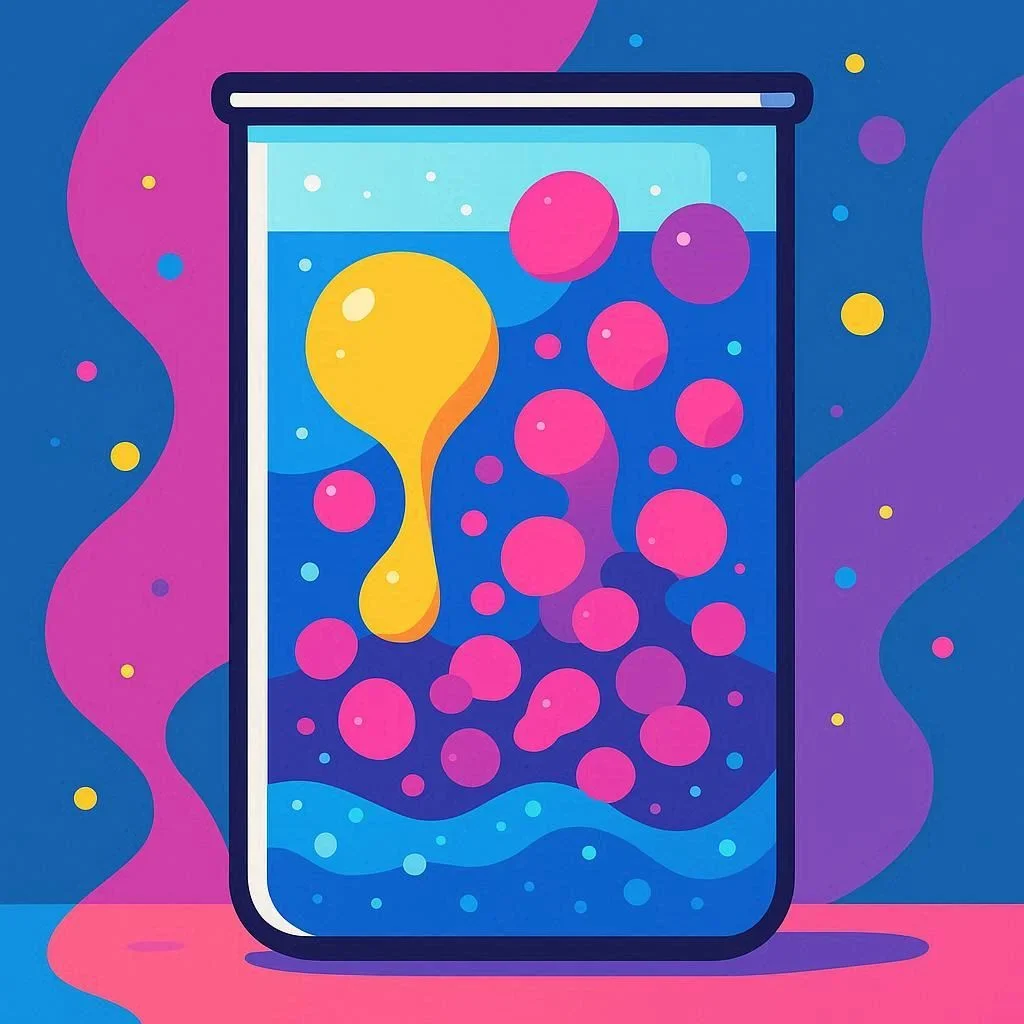

Winter is upon us, and with it comes a flurry of chilly days and the desire for cozy, engaging activities. For parents and educators looking to spark curiosity and introduce science concepts in a fun and accessible way, creating frozen soap bubbles is an incredibly rewarding project. These shimmering wonders aren’t just beautiful; they’re a fantastic demonstration of physics principles like surface tension, evaporation, and density – all wrapped up in a delightfully tactile experience. This guide will walk you through the process of making your own frozen soap bubbles, offering tips for success and exploring the science behind this captivating phenomenon.
Understanding the Science Behind Frozen Soap Bubbles
Before we dive into the creation process, let’s briefly understand *why* these bubbles form. Frozen soap bubbles are a direct result of surface tension. Surface tension is an attractive force that acts between liquid molecules, causing them to stick together and form a spherical shape. The key ingredient here is water – specifically, water with a relatively low surface tension. This allows the bubble’s surface to be less dense than the surrounding liquid, creating a kind of “skin” that resists deformation.
The Role of Water Molecules
Each water molecule in the soapy solution is attracted to its neighbors, creating a cohesive network. However, when the soap molecules are added, they disrupt this network, causing the water molecules to spread out and become more energetic. This increased energy leads to a significant reduction in surface tension – essentially, the water becomes less sticky and more fluid.
Materials You’ll Need: A Beginner’s Toolkit
You don’t need expensive equipment to create these beautiful bubbles! Here’s what you’ll require:
- Dish Soap: This is the star of the show – a good quality dish soap works best. Avoid those with added moisturizers, as they can interfere with bubble formation.
- Water: Tap water is fine.
- Clear Plastic Cups or Jars: These will hold your bubbles.
- A Spoon or Stirring Rod: For gentle mixing.
- Optional: Glitter, Food Coloring, Small Toys: To add a little extra flair and visual interest.
Step-by-Step Instructions for Bubble Creation
Let’s get started! Here’s how to create your own frozen soap bubbles:
- Combine Soap and Water: Fill the clear cup with about 1/4 cup of water. Add 1 tablespoon of dish soap. Stir gently until the soap is completely dissolved. You should see a thin, white film forming on the bottom of the cup – this is your soapy solution.
- Create the Bubble: Carefully lift the spoon or stirring rod and let it drop the cup slowly. As you lower the spoon, the water will begin to freeze, creating a bubble! The spoon’s movement creates a small disturbance in the water, which encourages surface tension to form and expand the bubble.
- Observe and Experiment: Watch as the bubble grows larger and more defined. You can experiment with different amounts of soap and water to see how it affects the size and duration of the bubbles. A higher concentration of soap will generally produce larger, longer-lasting bubbles.
- Adding Flair (Optional): Once you’ve mastered the basic technique, get creative! Add a sprinkle of glitter inside the cup for a sparkling effect, or use small toys to create miniature bubbles.
Exploring the Science Behind the Phenomenon
The beauty of frozen soap bubbles lies in their intricate physics. The key is the interplay between surface tension and evaporation. As the water freezes, it shrinks slightly, creating a pocket of air trapped within the bubble’s structure. This pocket of air is what allows the bubble to expand and become larger.
Evaporation and Surface Tension – A Delicate Balance
The process of freezing begins with the water molecules slowing down and becoming more ordered. This order, however, isn’t permanent. As the water freezes, it releases heat into the surrounding air, causing the vapor to escape. This evaporation process is driven by the increased kinetic energy of the water molecules – they’re moving faster and creating a greater surface area for evaporation.
The Role of Temperature: A Subtle Factor
Temperature plays a minor role in bubble formation. Warmer temperatures generally lead to larger, more extended bubbles, but too high a temperature can cause the water to evaporate too quickly, hindering bubble growth. A consistent temperature is ideal for successful bubble creation.
Safety Considerations
While these bubbles are generally safe to handle, it’s important to remember that they are made of soapy water and therefore not meant to be ingested. Always supervise children during this activity and ensure they don’t try to eat the bubbles. Also, avoid using excessively warm water – it can cause the soap to become too viscous and difficult to work with.
Beyond the Basics: Expanding Your Science Exploration
Creating frozen soap bubbles is just the beginning! Here are some ways to expand your understanding of surface tension and related concepts:
- Experiment with Different Liquids: Try making bubbles with different liquids – water, milk, or even honey.
- Investigate Surface Tension in Everyday Life: Observe how surfaces like a wet towel or a piece of paper behave when stretched.
- Research the Properties of Polymers: Explore how polymers (like plastic) work by examining their molecular structure and behavior.
Making frozen soap bubbles is a fantastic way to introduce children to the wonders of physics while fostering creativity and engagement. It’s a simple, inexpensive experiment that provides a tangible demonstration of fundamental scientific principles. By understanding the science behind these captivating bubbles, you’ll not only have fun but also gain a deeper appreciation for the fascinating world around us.
Making frozen soap bubbles is a fantastic way to introduce children to the wonders of physics while fostering creativity and engagement. It’s a simple, inexpensive experiment that provides a tangible demonstration of fundamental scientific principles. By understanding the science behind these captivating bubbles, you’ll not only have fun but also gain a deeper appreciation for the fascinating world around us.

