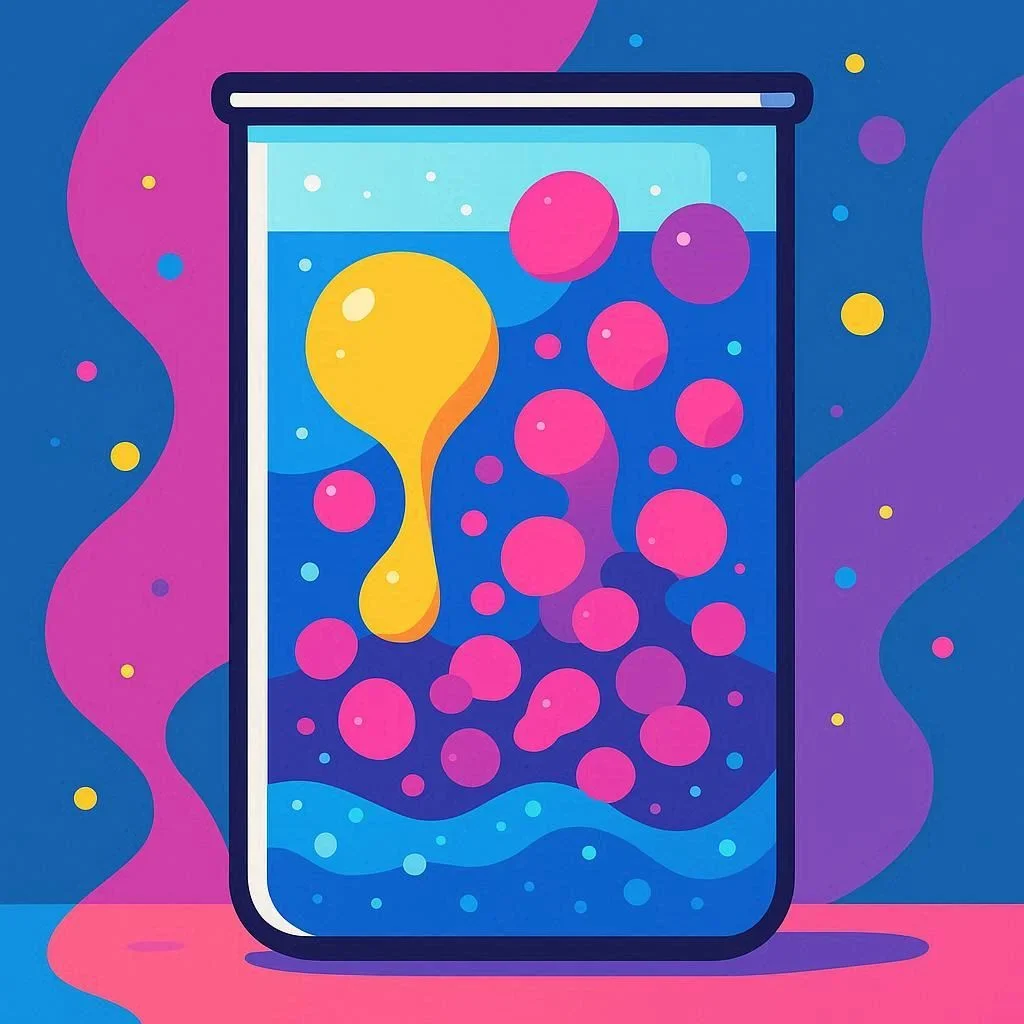

There’s something magical about watching a shimmering bubble float on a summer breeze, and the good news is you can recreate that wonder at home with a simple DIY bubble mix. By using glycerin—a humectant that helps water retain moisture—you’ll produce a solution that creates bigger, stronger, and longer‑lasting bubbles. This guide walks you through every step, from gathering ingredients to turning bubble‑making into a science experiment that kids love, while keeping safety and sustainability at the forefront.
📱 Download Our Apps on Google Play
Click any app below to install it from the Google Play Store.


Gather Your Ingredients
Before you start, assemble the following items. All of these can be found in most grocery stores or online, and each plays a specific role in the chemistry of bubbles:
- Distilled water – 2 cups (purified water prevents mineral buildup that weakens bubbles).
- Dish soap – 2 tablespoons of a gentle, clear soap (avoid antibacterial varieties that contain additives).
- Glycerin – 1 to 2 teaspoons; you can source this from pharmacies or the Glycerin Wikipedia page for more details.
- Light corn syrup or sugar – optional 1 teaspoon, which adds extra viscosity for larger bubbles.
- Food‑grade coloring – a pinch if you want tinted bubbles for visual fun.
Step‑by‑Step Mixing process
Follow these precise steps to ensure a consistent, high‑quality bubble solution. Accuracy matters because the proportion of glycerin to water determines how much moisture the film can hold, directly influencing bubble durability.
- Measure 2 cups of distilled water into a clean mixing bowl.
- Gently stir in 2 tablespoons of dish soap. Avoid whipping; a slow stir prevents the creation of foam that can trap air bubbles.
- Add 1 to 2 teaspoons of glycerin. The more glycerin you use (up to the recommended limit), the thicker the solution and the better it will resist evaporation.
- If you choose to use corn syrup or sugar, dissolve it now. This extra sugar acts as a natural humectant, complementing glycerin’s effect.
- Allow the mixture to rest for at least 30 minutes, preferably an hour. This “aging” period lets the ingredients fully integrate, producing a smoother film.
- Before each bubble‑making session, stir the solution gently once more to re‑distribute settled components.
Tips for Bigger, Longer‑Lasting Bubbles
Even after mixing, a few adjustments can dramatically improve performance. Below are expert‑tested tips that align with recommendations from reputable sources such as the Smithsonian Magazine and the EPA’s glycerin fact sheet:
- Temperature matters: Slightly warm water (around 70 °F or 21 °C) reduces surface tension, allowing bubbles to stretch further before popping.
- Humidity helps: Play on humid days or use a humidifier; moisture in the air slows evaporation from the bubble film.
- Use proper tools: A wide‑rimmed wand (like a large plastic cup) creates a larger film, while a thin straw can produce delicate, string‑like bubbles.
- Gentle blowing technique: Blow steadily rather than forcefully; a slow, even airflow elongates the film without rupturing it.
- Store correctly: Keep the solution in an airtight container in a cool, dark place. A sealed jar prevents contamination and maintains glycerin’s effectiveness.
Fun Experiments and Play Ideas
Turn bubble‑making into an educational science experiment that teaches kids about surface tension, elasticity, and the role of humectants. Here are several activity ideas that align with curriculum standards and encourage curiosity:
- Size comparison: Create two solutions—one with glycerin and one without. Observe and record differences in bubble size and lifespan.
- Color mixing: Add different food‑grade colors to separate batches and layer them in a tray to see how they blend when bubbles intersect.
- Wind test: Use a fan set to low speed and note how bubbles travel farther when the solution contains glycerin.
- Temperature trial: Prepare identical solutions at room temperature and in the refrigerator. Compare how temperature affects bubble durability.
These activities not only entertain but also reinforce scientific concepts outlined by organizations such as the NASA and the CDC’s child safety guidelines. Document results with photos or videos to create a simple lab report that can be shared with teachers or parents.
Safety and Storage
While glycerin and dish soap are generally safe, always supervise younger children. Keep the solution out of reach of pets, and wash hands after handling. If skin irritation occurs, rinse with cool water and discontinue use.
Conclusion – Crafting your own bubble solution with glycerin unlocks a world of vibrant, resilient bubbles that captivate children and adults alike. By following the precise recipe, employing the tips for optimal performance, and exploring creative experiments, you turn a simple pastime into an engaging educational experience. Ready to bring the magic to your backyard? Try creating homemade bubbles with glycerin today and share your spectacular results with friends and family!
Frequently Asked Questions
Q1. How do I make a bubble solution with glycerin?
Start by measuring 2 cups of distilled water into a clean bowl. Add 2 tablespoons of gentle dish soap and stir slowly to avoid foam. Mix in 1‑2 teaspoons of glycerin, and optionally a teaspoon of corn syrup for extra thickness. Let the mixture rest for at least 30 minutes before use, then stir gently again.
Q2. Why does glycerin improve bubble strength?
Glycerin is a humectant, meaning it attracts and retains moisture. This extra moisture slows the evaporation of the thin film that makes up a bubble, allowing it to stretch further before popping. The added viscosity also reduces surface tension, making the bubble walls more flexible and resistant to cracks.
Q3. Can I use regular tap water instead of distilled water?
You can, but tap water often contains minerals and impurities that can weaken bubbles and leave residue on the wand. Distilled water provides a pure base that lets the soap and glycerin work most efficiently. If you must use tap water, let it sit and filter it through a coffee filter to remove some particles.
Q4. How long can I store the homemade bubble solution?
When kept in an airtight container in a cool, dark place, the solution can last several weeks. Over time, the soap may lose some effectiveness, so give the mixture a gentle stir before each use. If you notice cloudiness or a foul smell, discard it and make a fresh batch.
Q5. Is it safe for kids to handle the glycerin bubble mix?
Both glycerin and mild dish soap are non‑toxic, but supervision is recommended for younger children. Ensure they wash their hands after playing and avoid contact with eyes. If skin irritation occurs, rinse thoroughly with water and discontinue use.
Related Articles

100+ Science Experiments for Kids
Activities to Learn Physics, Chemistry and Biology at Home
Buy now on Amazon
Advanced AI for Kids
Learn Artificial Intelligence, Machine Learning, Robotics, and Future Technology in a Simple Way...Explore Science with Fun Activities.
Buy Now on Amazon
Easy Math for Kids
Fun and Simple Ways to Learn Numbers, Addition, Subtraction, Multiplication and Division for Ages 6-10 years.
Buy Now on Amazon🚀 Try These Free Android Apps
Download these useful apps directly from the Google Play Store.