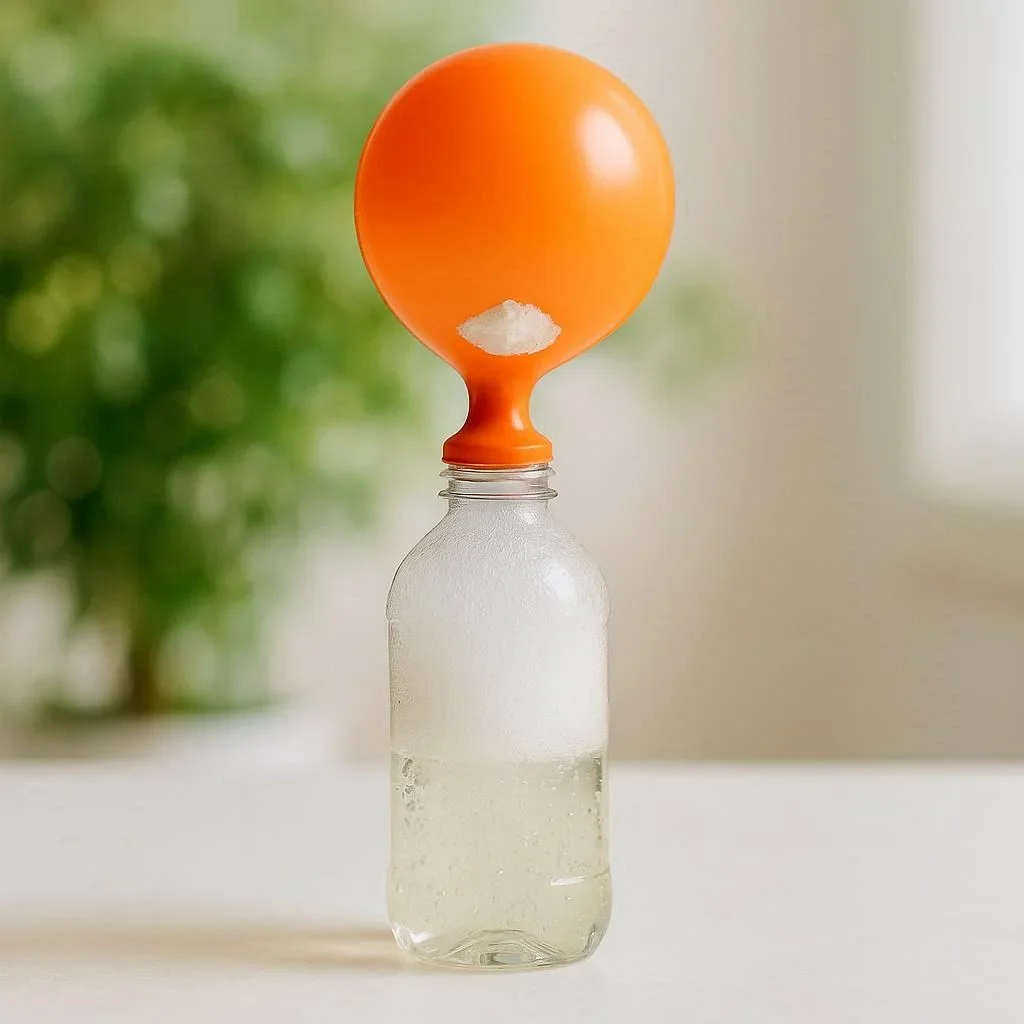

When planning a celebration, balloons add color and joy, but ordinary latex or foil decorations can become a hidden fire risk. Learning how to create Fire-Resistant Balloons using water offers a simple, cost‑effective solution that protects guests without sacrificing the festive atmosphere. This guide explains the chemistry, provides a step‑by‑step method, and shares essential safety tips so you can enjoy parties, weddings, or community events with confidence.
📱 Download Our Apps on Google Play
Click any app below to install it from the Google Play Store.



Fire-Resistant Balloons: Why Traditional Balloons Can Be a Fire Hazard
Standard party balloons are made from latex or Mylar, both of which are highly flammable. A single spark from a candle, a faulty light socket, or an electrical short can ignite these materials within seconds, producing toxic fumes and spreading flames rapidly. According to the U.S. Consumer Product Safety Commission, balloon‑related fires account for hundreds of injuries each year, many involving children who accidentally touch open flames.
Beyond the immediate danger, flammable decorations can cause property damage, insurance claims, and loss of life. By substituting water‑filled balloons for traditional ones, you dramatically lower the heat release rate and prevent ignition altogether.
Fire-Resistant Balloons: The Science Behind Water as a Fire‑Resistant Medium
Water’s high specific heat capacity—approximately 4.18 joules per gram per degree Celsius—means it absorbs a large amount of heat before its temperature rises. When a balloon filled with water is exposed to a flame, the water evaporates, drawing heat away from the latex and keeping the surface temperature below the material’s ignition point. This phenomenon is explained in detail by the Wikipedia article on specific heat capacity. Additionally, the latent heat of vaporization (about 2260 kJ/kg) further dissipates energy, creating a protective steam barrier that delays combustion.
Because the water absorbs and converts heat energy, the balloon’s outer skin remains cool enough to stay intact, allowing the decorative balloon to persist while the flame is extinguished. This principle is the same reason firefighters use water spray to control wildfires.
Fire-Resistant Balloons: Step‑by‑Step Guide to Making Fire‑Resistant Balloons Using Water
Follow these simple instructions to transform ordinary balloons into fire‑resistant party essentials. All materials are inexpensive and widely available.
- Gather materials: latex balloons (preferably thick‑walled), distilled water, a funnel or a small squeeze bottle, a permanent marker, and a clean work surface.
- Prepare the water: Use room‑temperature distilled water to avoid mineral residues that could affect balloon elasticity. If you prefer a cooler filler, refrigerate the water for 30 minutes; colder water increases the initial heat‑absorption capacity.
- Fill the balloon: Attach the funnel to the balloon neck and slowly pour water until the balloon is about 80% full. Leaving a small air pocket reduces the chance of rupture and helps the balloon keep its shape.
- Seal the balloon: Twist the neck and tie a tight knot. For extra security, apply a dab of clear silicone sealant to the knot—this step is optional but useful for outdoor events.
- Label for safety: Write “Fire‑Resistant Balloon” with a permanent marker on each balloon. This visual cue reminds guests and staff that the decoration is designed to withstand accidental heat exposure.
- Arrange the display: Hang the water‑filled balloons using sturdy hooks or a balloon stand. Avoid placing them directly over candles or heat sources; the goal is to provide a safety buffer, not to invite direct contact with fire.
After the event, carefully deflate the balloons into a sink or bathtub. The water can be reused for cleaning or gardening, making the process environmentally friendly.
Fire-Resistant Balloons: Safety Tips for Using Fire‑Resistant Balloons at Events
Even with water‑filled balloons, responsible practices remain essential. Below are key safety tips to maximize protection.
- Maintain distance from open flames: Keep candles, torches, or fire pits at least one foot away from any balloon cluster.
- Inspect balloons before use: Discard any that show signs of thinning, punctures, or stretched necks, as these may leak or burst.
- Educate staff and volunteers: Brief party staff on the location of fire‑resistant balloons and the importance of monitoring heat sources.
- Have a fire extinguisher ready: A Class A extinguisher (water‑based) is ideal for quickly dousing small ignitions involving latex.
- Consider complementary fire‑prevention measures: Use LED candles instead of wax, and opt for battery‑operated string lights.
By integrating these strategies, you create a layered safety net that protects guests, property, and the celebratory mood.
Fire-Resistant Balloons: Frequently Asked Questions
Can I use colored water? Yes—adding a few drops of food‑grade dye creates vibrant balloons without affecting fire‑resistance.
Do Mylar balloons work with water? Mylar is a metal‑coated polyester that does not stretch like latex; attempting to fill it with water may cause tearing. Stick to thick latex for best results.
How long do water‑filled balloons stay buoyant? Depending on ambient temperature, they can remain afloat for several hours. For longer events, consider using helium‑filled fire‑resistant balloons, but be aware that helium does not contribute fire resistance; the water component is still essential.
Ready to make your next celebration safer? Order premium latex balloons and start creating your own Fire-Resistant Balloons today—your guests will thank you for the extra peace of mind.
Frequently Asked Questions
Q1. What makes water-filled balloons fire‑resistant?
Water has a high specific heat capacity and a large latent heat of vaporization, which absorb heat from a flame. When the water turns to steam it draws energy away from the latex, keeping the balloon’s surface below its ignition temperature. This process prevents the balloon from catching fire.
Q2. Can I use any type of balloon for this method?
Thick‑walled latex balloons work best because they can stretch to hold water without tearing. Mylar or foil balloons are not suitable since they are thin and can rupture when filled with liquid. Stick to high‑quality latex for reliable fire resistance.
Q3. How long will a water‑filled balloon stay afloat?
The buoyancy depends on temperature and the amount of water. In typical indoor conditions a balloon can float for several hours before the water cools and the latex contracts. For events lasting longer than four hours, refresh the balloons or use a helium‑water hybrid.
Q4. Are colored water balloons safe for children?
Yes, adding a few drops of food‑grade dye does not affect the fire‑resistant properties. The dye is non‑toxic and safe if the balloon accidentally bursts. However, always supervise children and keep balloons away from open flames.
Q5. What additional fire‑safety measures should I consider?
Combine water‑filled balloons with LED candles, battery‑operated string lights, and keep fire extinguishers nearby. Train staff to monitor heat sources and maintain a one‑foot clearance from any balloon cluster. A layered approach maximizes protection for guests and property.
Related Articles

100+ Science Experiments for Kids
Activities to Learn Physics, Chemistry and Biology at Home
Buy now on Amazon
Advanced AI for Kids
Learn Artificial Intelligence, Machine Learning, Robotics, and Future Technology in a Simple Way...Explore Science with Fun Activities.
Buy Now on Amazon
Easy Math for Kids
Fun and Simple Ways to Learn Numbers, Addition, Subtraction, Multiplication and Division for Ages 6-10 years.
Buy Now on Amazon🚀 Try These Free Android Apps
Download these useful apps directly from the Google Play Store.