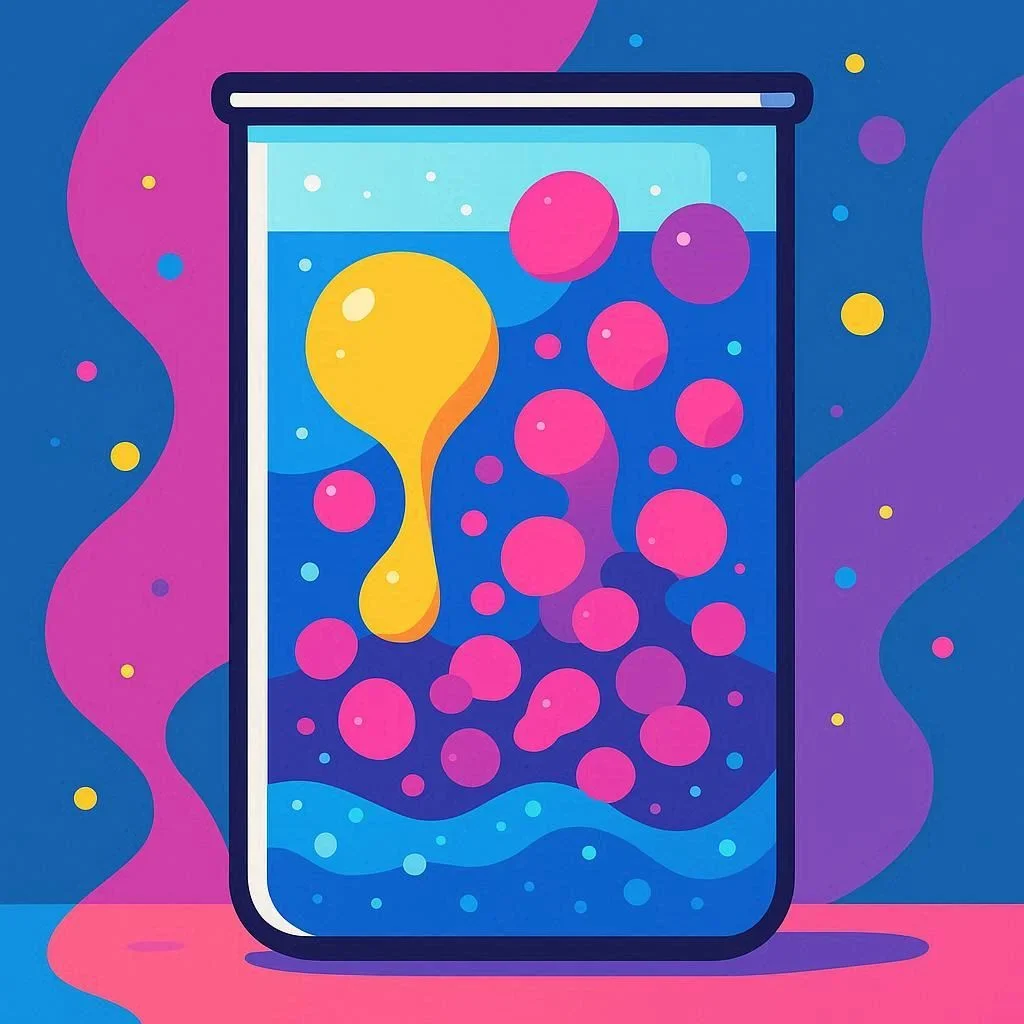

When you combine baking soda and vinegar, the result is a fast, bubbling reaction that amazes children and adults alike. This classic experiment demonstrates the power of acid–base chemistry while providing instant visual pleasure. Beyond the standard soda‑vinegar fizz, you can transform the reaction into a rainbow‑colored geyser, a miniature volcano, or a gentle bubbling display that works safely in classrooms or dinner parties. With simple household items and a few safety guidelines, you can turn a kitchen into a laboratory full of sparkling science.
How Baking Soda Vinegar Generates Bubbles
The fizz you see is produced by the rapid creation of carbon dioxide (CO₂) gas. When the weak acid in vinegar (acetic acid) meets the weak base in baking soda (sodium bicarbonate), the two substances react to form sodium acetate, water, and CO₂. The gas forms numerous bubbles that escape from the liquid, creating a dramatic fizz. This process is an example of an acid–base reaction that is easy to observe and safe when handled correctly. The bubbling action is also a foundational teaching tool in chemistry labs worldwide.
Scientists often use the soda‑vinegar reaction as a model because it is a classic demonstration of chemical kinetics and gas evolution. Even the speed of the fizz depends on the concentration of the reactants; a dilute vinegar produces a gentle mist, while a concentrated solution yields a vigorous eruption. The temperature of the mixture also influences the rate—warmer solutions encourage a faster release of CO₂. These variables make the experiment both engaging and educational, showing how simple changes can affect chemical behavior.
Adding Color: Natural Dyes and Food Coloring
To turn an ordinary fog into a colorful spectacle, simply add food coloring or natural dyes to the vinegar before the reaction begins. For a rainbow display, pour different colors into separate small containers, mix each with the vinegar, and then add a single spoonful of baking soda to the center. The bubbles will carry the dye, leaving a trail of color as they rise. Natural dyes, such as beet juice for red or turmeric for yellow, provide deeper hues without artificial additives. These ingredients not only enhance visual appeal but also offer a lesson in how pigments disperse through a gas phase.
- Beet juice → deep red bubbles
- Turmeric powder → bright yellow foam
- Blue spirulina powder → vivid blue mist
- Red cabbage extract → purplish‑green splash
- Food coloring tablets → instant bright colors
The color can also be changed by adjusting the acidity of the vinegar. Adding a splash of lemon juice deepens the hue and increases the reaction rate, while a tablespoon of baking soda may mellow intense colors. Careful color trials give a hands‑on exploration of both chemistry and color science, suitable for STEM projects at any age.
Create a Volcano: Step‑by‑Step Guide
Building a miniature volcano is a classic way to showcase the soda‑vinegar reaction, especially for classroom demonstrations or summer parties. Below is a simple, reproducible recipe that produces a booming eruption and a colorful plume.
- Collect a large plastic bottle or clear glass jar to serve as the volcano crater.
- Apply a splash of food coloring to the inside of the bottle, reserving a few drops for the eruption.
- Fill the bottle about one‑quarter full with vinegar, then add one tablespoon of baking soda for each cup of vinegar.
- Place the bottle on a tray to catch overflow and secure the lid loosely or use a cork.
- When ready, quickly add the baking soda through the lid or pour it into the bottle, watching the lava‑like foam erupt.
- For a sustained volcanic effect, repeat the addition of baking soda every 5–10 minutes.
Use this volcano model to discuss volcanic eruptions in geology, the role of CO₂ in geothermal energy, and how human-made reactions can mimic natural phenomena. The geyser effect demonstrates how gases build pressure, which is analogous to magma rising through the earth’s crust.
Safety and Clean‑Up Tips
Even though baking soda and vinegar are household staples, it is wise to adopt basic safety measures, especially when children are involved. The reaction, while harmless, can produce a sudden surge of bubbles that might spill over and make surfaces slippery. Wearing safety goggles and disposable gloves when stirring large quantities is a good precaution, and keeping the experiment away from heat sources or flammable materials prevents accidental fires. After the experiment, rinse the container thoroughly with water and dry it to avoid residual buildup of sodium acetate, which can crystallize and leave stains.
For environments such as schools, consider using the American Association for the Advancement of Science guidelines on safe handling of classroom reactions. If you need a stronger reaction for advanced labs, always consult a qualified instructor to avoid mishandling potentially corrosive solutions.
Conclusion – Ignite Your Inner Chemist
With only a few everyday ingredients, you can spark curiosity and spark learning with vibrant, fizzy experiments that showcase key concepts in chemistry, physics, and earth science. By exploring the simple chemistry of baking soda vinegar fizz, you demonstrate how acids and bases react to produce visible gas, how color can be added for an engaging visual effect, and how to scale up the reaction into a memorable volcano demonstration—all while emphasizing safety. Whether you’re a student, teacher, parent, or science enthusiast, this experiment is a gateway to hands‑on exploration. Don’t wait—grab your vinegar, baking soda, and colors, and let the fizz begin!
Frequently Asked Questions
Q1. Can I use other acids instead of vinegar?
Yes, you can substitute lemon juice or soda ash solution for vinegar. These alternatives react with baking soda, but the rate varies. Lemon juice is less steep than vinegar, producing slower fizz, while soda ash (sodium carbonate) generates a milder reaction with reduced carbon dioxide output.
Q2. Why does the reaction stop after a while?
The reaction ceases once all available baking soda or acetic acid is consumed. The remaining solution is essentially neutral, so no more CO₂ forms. Adding more reactants will restart the fizz, but balance is key to avoid excessive spills.
Q3. Is the soda‑vinegar reaction safe for kids?
Absolutely. It’s non‑toxic, non‑flammable, and produces only harmless water and CO₂. Nonetheless, adult supervision ensures that children do not swallow the mixture or spill excess material, keeping the activity safe and fun.
Q4. How can I make the reaction last longer?
Storing the vinegar in a cooler bottle with a slightly open lid traps CO₂, allowing multiple small fizz events instead of one large burst. For maximum longevity, incrementally add baking soda in small doses while monitoring the color and bubble intensity.
Q5. What happens if I mix too much baking soda?
Excess baking soda can create a thick, viscous mixture that limits gas release, giving a less dramatic fizz. It may also leave a residue that is difficult to clean. Stick to a ratio of about one tablespoon per cup of vinegar for a balanced reaction.


