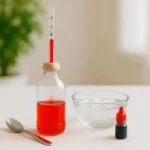
Winter science experiments can be both exciting and practical, especially when they help keep your hands warm during chilly lab sessions. A chemical hand warmer is a simple, reusable device that harnesses an exothermic reaction to generate heat on demand. In this guide, we’ll walk through the science behind the reaction, the materials you’ll need, step‑by‑step instructions, safety tips, and creative variations to keep your hands toasty while you explore the wonders of chemistry.
Understanding the Exothermic Reaction
The core of a chemical hand warmer is a reversible reaction that releases heat when it proceeds in the forward direction. The most common formulation uses sodium acetate trihydrate (NaCH₃COO·3H₂O) and a small amount of a catalyst, such as a steel ball or a piece of iron. When the crystal lattice of sodium acetate is disturbed—by striking the steel ball against the container—the solution crystallizes, releasing latent heat. This process is the same principle behind the classic “silly warmers” sold in stores, but here we’ll build one from scratch.
Key secondary terms that appear naturally in this discussion include hand warmers, winter science, DIY, exothermic reaction, and sodium acetate. These terms help readers find the article when searching for related topics.
Materials and Safety Checklist
Before you begin, gather the following items:
- 1‑liter clear plastic bottle with a screw‑on cap (e.g., a reusable water bottle)
- 1 cup of sodium acetate trihydrate (available from scientific suppliers or online chemistry stores)
- 1 cup of distilled water
- 1 small steel ball or a piece of iron (about the size of a golf ball)
- Heat‑resistant gloves and safety goggles
- Labeling materials (e.g., waterproof marker)
Safety first: sodium acetate is generally safe, but the reaction can produce hot surfaces. Always wear gloves and goggles, and keep the warmer away from children and pets. For more detailed safety guidelines, see the CDC NIOSH safety data sheet.
Step‑by‑Step Construction
1. Prepare the Solution: In a heat‑proof container, dissolve the sodium acetate trihydrate in distilled water. Stir until fully dissolved. The solution should be clear and free of undissolved crystals.
2. Transfer to the Bottle: Pour the solution into the plastic bottle, leaving about an inch of headspace at the top. This space allows the solution to expand slightly when it crystallizes.
3. Add the Catalyst: Place the steel ball or iron piece into the bottle. Seal the cap tightly to prevent leaks.
4. Activate the Warmers: To start the exothermic reaction, strike the steel ball against the bottle’s side or cap. The impact causes the sodium acetate solution to crystallize, releasing heat. The temperature inside the bottle can rise to 70–80 °C (158–176 °F) within seconds.
5. Recycling the Warmers: After the heat dissipates, the crystals melt back into solution. To reset the warmer, simply heat the bottle in a microwave or on a stove until the crystals dissolve completely. Once cooled, the warmer is ready for another use.
Scientific Insights: Why It Works
The exothermic reaction is a classic example of a phase change—specifically, the crystallization of sodium acetate. When the solution crystallizes, it releases the latent heat of fusion. This heat is absorbed from the surrounding environment, raising the temperature of the bottle and, consequently, your hands when you hold it. The reaction is reversible because the crystals can melt back into solution when heated, allowing the warmer to be reused indefinitely.
For a deeper dive into the thermodynamics of this process, consult the Wikipedia entry on exothermic reactions. The article explains how energy is released during bond formation, which is precisely what happens when sodium acetate crystallizes.
Creative Variations and Enhancements
While the basic sodium acetate warmer is effective, you can tailor the design to suit different needs:
- Portable Size: Use a smaller bottle (e.g., 250 mL) for pocket‑friendly hand warmers.
- Heat‑Retention Layer: Wrap the bottle in a neoprene sleeve to prolong warmth.
- Color Coding: Label the bottle with a waterproof marker to indicate the number of uses left.
- Educational Kits: Pair the warmer with a simple thermometer to let students measure temperature changes in real time.
These variations not only enhance usability but also provide additional learning opportunities for students studying thermodynamics and material science.
Real‑World Applications Beyond the Classroom
Chemical hand warmers are useful for outdoor enthusiasts, hikers, and anyone who needs reliable heat in cold environments. Because they are reusable and require no external power source, they are ideal for fieldwork, camping, or emergency kits. The same principle can be adapted for small‑scale heating of tools, instruments, or even food items in remote locations.
For inspiration on how hand warmers are used in extreme conditions, see the National Geographic feature on hand warmers. The article discusses the science behind commercial hand warmers and their applications in polar research.
Conclusion: Keep Your Hands Warm, Keep Learning
Building a chemical hand warmer is a straightforward, hands‑on project that demonstrates key principles of exothermic reactions, phase changes, and energy transfer. By following the steps above, you can create a reusable, eco‑friendly device that keeps your hands toasty during winter science experiments or outdoor adventures. Remember to observe safety protocols, respect the materials, and enjoy the satisfying warmth that science can provide.
Ready to try it yourself? Gather your materials, follow the guide, and share your results with the community. Stay warm, stay curious, and keep experimenting!
Frequently Asked Questions
Q1. What is a chemical hand warmer and how does it work?
A chemical hand warmer uses an exothermic crystallization reaction, typically with sodium acetate trihydrate. When the solution is disturbed by a steel ball, it crystallizes and releases latent heat, warming the surrounding area. The process is reversible, so the warmer can be reset by melting the crystals back into solution.
Q2. Are sodium acetate hand warmers safe to use?
Yes, sodium acetate is generally safe, but the reaction can produce hot surfaces. Always wear heat‑resistant gloves and safety goggles, keep the warmer away from children and pets, and follow the safety guidelines provided by suppliers.
Q3. How many times can I reuse a chemical hand warmer?
Because the reaction is reversible, a properly reset hand warmer can be reused indefinitely. Each reset involves heating the bottle until the crystals dissolve, then allowing it to cool before the next use.
Q4. Can I use other chemicals instead of sodium acetate?
While sodium acetate is the most common and reliable choice, other exothermic reactions (e.g., magnesium–water or iron–water mixtures) can produce heat, but they may not be as safe or reusable. Always research the chemistry and safety profile before experimenting.
Q5. What are some creative variations for my hand warmer?
You can make a pocket‑size version with a 250 mL bottle, add a neoprene sleeve for better heat retention, or label the bottle to track usage. Pairing the warmer with a thermometer lets students measure temperature changes in real time, turning it into an educational kit.