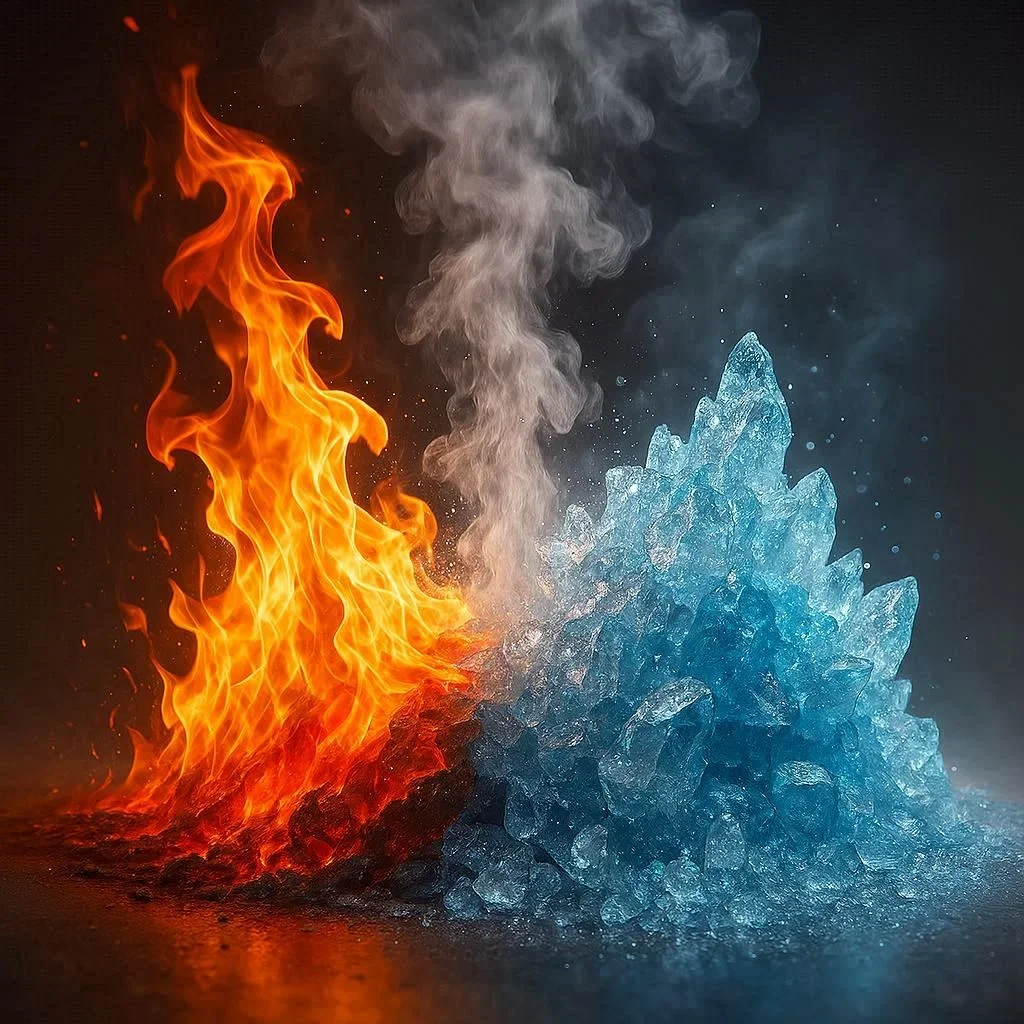

Creating a crystal garden at home is a captivating way to combine science, art, and a touch of magic. By using borax, a common household mineral, you can grow stunning crystals that sparkle like gemstones. This guide walks you through every step—from selecting the right container to harvesting your finished crystal garden—so you can enjoy a DIY crystal garden that’s both educational and visually stunning.
Choosing the Right Container for Your Crystal Garden
Before you begin, pick a container that will showcase your crystals beautifully while allowing them to grow unhindered. A shallow glass jar, a terracotta pot, or even a clear plastic bowl can work well. The key is transparency so you can watch the crystals form and a lid or cover to keep dust out. If you’re using a jar, consider a wide mouth for easy access and a sturdy base to support the weight of the crystals as they grow.
Preparing the Borax Solution for Crystal Growth
To create a crystal garden, you’ll need a saturated borax solution. Start by heating about 1 cup of water until it’s warm but not boiling. Slowly add borax crystals—about 2–3 tablespoons—stirring until no more will dissolve. The solution should be thick and syrupy; this indicates it’s saturated and ready for crystal growth. For safety, wear gloves and eye protection, especially if you’re working with children.
Once the solution is ready, pour it into your chosen container, leaving a few inches of space at the top. The depth of the solution will affect crystal size: a deeper solution can produce larger crystals, but it also requires more borax. Adjust the amount of borax to match the container’s volume, ensuring the solution remains saturated.
Designing Your Crystal Garden Layout
Now that your container is filled, it’s time to plan the layout of your crystal garden. Here are some design ideas:
- Layered Growth: Add a layer of small pebbles or sand at the bottom, then pour the borax solution. As the solution cools, crystals will form on the pebbles, creating a layered effect.
- Color Variation: Mix in food coloring or natural dyes (like beet juice or turmeric) to tint the crystals. Different colors will add depth and interest.
- Shape Guides: Use wire frames or molds to guide crystal growth into specific shapes—rings, stars, or even miniature flowers.
- Natural Elements: Incorporate dried leaves, bark, or small branches. Crystals will grow around these items, giving your garden a rustic, forest-like feel.
Remember to keep the container in a stable environment—away from drafts, direct sunlight, and temperature fluctuations. A cool, dark spot is ideal for slow, even crystal growth.
Maintaining and Harvesting Your Crystal Garden
Crystal growth is a slow process. Depending on temperature and solution concentration, crystals may take anywhere from a few days to several weeks to reach their full size. During this time, avoid disturbing the container. Check the solution level every few days; if it evaporates, add a small amount of warm water to maintain saturation.
When the crystals have grown to your satisfaction, it’s time to harvest. Carefully remove the crystals from the solution using tweezers or a small spoon. If you used a mold or wire frame, gently lift it to release the crystals. Let the crystals dry on a paper towel for 24–48 hours before handling them further.
Once dry, you can display your crystal garden in a decorative jar, use the crystals in jewelry, or even incorporate them into a science project. The crystals can also be used as a natural air freshener—place them in a small sachet and enjoy the subtle scent of borax.
Safety Tips and Environmental Considerations
While borax is generally safe for household use, it’s important to handle it responsibly. Keep borax out of reach of pets and children, and wash your hands after handling the crystals. If you plan to dispose of excess borax solution, pour it down the drain with plenty of water to dilute it. For a more eco-friendly approach, consider using a natural crystal growth medium like sugar or salt instead of borax.
For more detailed information on borax and its uses, you can consult reputable sources such as the Wikipedia page on Borax, the USGS Mineral Resources, and the National Geographic article on crystal growth. These resources provide scientific context and safety guidelines for working with borax.
Conclusion: Start Your Crystal Garden Today
Building a crystal garden with borax is more than a simple science experiment—it’s a creative journey that blends chemistry, design, and patience. By following the steps above, you’ll create a stunning display of crystals that can be enjoyed for months. Whether you’re a student looking to demonstrate crystal growth, a hobbyist seeking a new project, or a parent wanting a hands‑on activity for kids, a DIY crystal garden offers endless possibilities.
Ready to transform your space into a sparkling crystal wonderland? Gather your materials, follow the guide, and start your crystal garden today!
Frequently Asked Questions
Q1. What is borax and why is it used for crystal gardens?
Borax, also known as sodium borate, is a naturally occurring mineral that dissolves readily in water. Its high solubility allows it to form a saturated solution that encourages crystal nucleation. When the solution cools, borax molecules arrange into a crystalline lattice, producing clear, sparkling crystals. Because it is inexpensive and easy to handle, borax is a popular choice for home crystal gardens. The resulting crystals are safe to touch once fully dry, but should be kept away from pets and small children during the growth phase.
Q2. How do I make a saturated borax solution?
To make a saturated borax solution, start by heating about one cup of water until it is warm but not boiling. Slowly add 2–3 tablespoons of borax crystals, stirring continuously until no more will dissolve. The solution should appear thick and syrupy, indicating saturation. Let it cool to room temperature before pouring it into your container. If any undissolved borax remains, discard it and repeat the process.
Q3. Can I use other materials instead of borax?
Yes, you can use other soluble salts such as table salt, sugar, or even iron sulfate to grow crystals. Each material produces crystals with different colors, shapes, and growth rates. For example, sugar crystals grow slowly and are translucent, while salt crystals form quickly and are more cubic. However, borax remains the most popular for its clarity and ease of use. Experimenting with different media can add variety to your crystal garden.
Q4. How long does it take for crystals to grow?
Crystal growth time depends on temperature, solution concentration, and the size of the crystals you want. Typically, crystals will begin to form within 24–48 hours and reach full size in 5–14 days. Cooler temperatures slow the process, producing larger, more defined crystals. If you need faster results, keep the container in a warm spot but avoid direct sunlight. Regularly checking the solution level helps maintain optimal growth conditions.
Q5. Are borax crystals safe for children?
Borax crystals are generally safe once they have fully dried, but the powdered borax used to create the solution can be irritating if ingested or inhaled. Children should wear gloves and eye protection while handling borax, and the finished crystals should be kept out of reach of pets. Washing hands after the experiment and disposing of excess solution properly reduces any risk. Always follow safety guidelines and keep the work area well-ventilated.