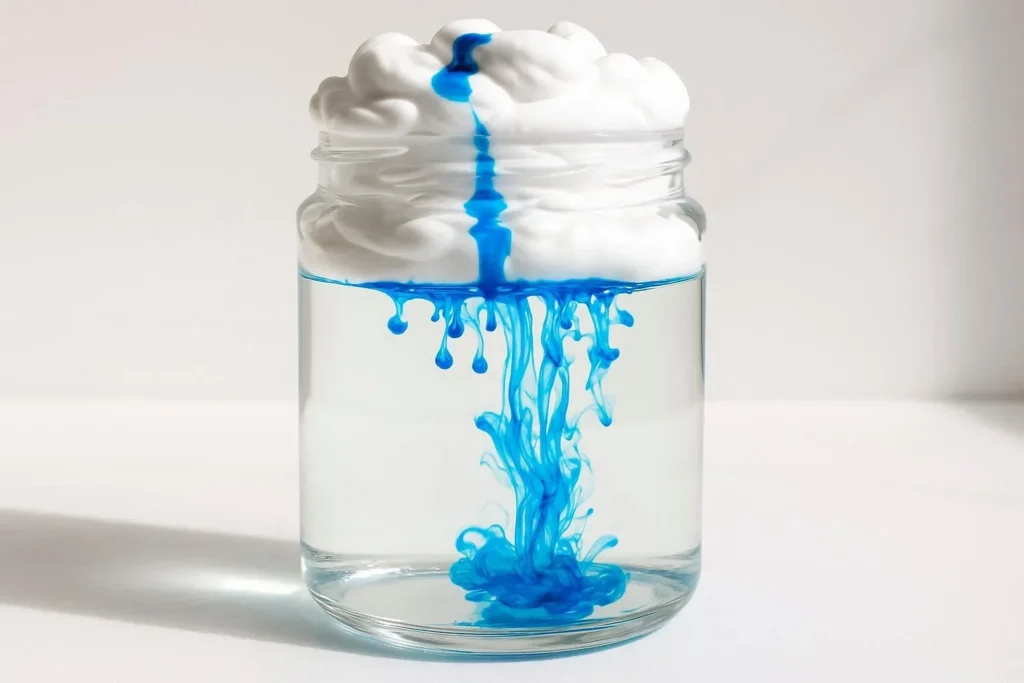

Ever wondered how to capture the fleeting beauty of a snowstorm in a single, glass‑encased masterpiece? A Crystal Snowstorm in a Jar is a mesmerizing DIY science experiment that turns ordinary household items into a dazzling display of ice crystals and glitter. This guide walks you through every step—from gathering materials to achieving the perfect storm effect—so you can create a stunning, safe, and reusable crystal wonderland.
Crystal Snowstorm in a Jar: Materials You Need
Before you begin, gather the following supplies. These items are inexpensive, widely available, and essential for producing a realistic snowstorm effect.
- Clear glass jar with lid (a 16‑oz mason jar works well)
- Ice cubes or crushed ice
- Water (filtered or distilled for clarity)
- Table salt or rock salt (to lower the freezing point)
- Food‑grade glitter or fine white sand (for snowflake texture)
- Optional: a small LED light or a flashlight for illumination
- Optional: a drop of glycerin or a few drops of dish soap (to enhance crystal formation)
Crystal Snowstorm in a Jar: Step‑by‑Step Assembly
Follow these steps to create a crystal snowstorm that looks like a miniature blizzard captured in glass. The process is simple, but precision matters for the best visual outcome.
- Prepare the Jar: Rinse the jar thoroughly and dry it. A clean, dry surface ensures crystals adhere properly.
- Add Ice: Place a handful of ice cubes or crushed ice at the bottom of the jar. The ice acts as a nucleation site for crystal growth.
- Mix the Solution: In a separate container, dissolve 1–2 tablespoons of salt in 1 cup of water. Stir until fully dissolved. Salt lowers the freezing point, allowing crystals to form at temperatures above 0 °C.
- Introduce Glitter: Add a tablespoon of food‑grade glitter or fine white sand to the salt solution. Stir gently to distribute the particles evenly.
- Fill the Jar: Slowly pour the salt‑glitter solution into the jar, filling it about three‑quarters full. Avoid splashing to keep the mixture clear.
- Seal and Chill: Secure the lid tightly and place the jar in the freezer. Let it sit for 2–4 hours, or until the solution begins to freeze around the ice cubes.
- Observe the Storm: Remove the jar from the freezer and open it carefully. You should see a network of translucent crystals and glitter suspended in a frosty matrix—your crystal snowstorm.
- Optional Lighting: For a dramatic effect, place a small LED light inside the jar or shine a flashlight through it. The light will highlight the crystal facets and give the snowstorm a luminous glow.
Crystal Snowstorm in a Jar: Tips for Stunning Results
While the basic recipe works well, a few tweaks can elevate your crystal snowstorm to gallery‑quality artistry.
- Use Distilled Water: Tap water often contains minerals that cloud the crystals. Distilled water yields clearer, more vivid formations.
- Control Temperature Gradients: Slowly cooling the jar rather than a rapid freeze encourages larger, more uniform crystals. Try placing the jar in a refrigerator first, then moving it to the freezer.
- Add Glycerin: A few drops of glycerin slow ice crystal growth, producing finer, more intricate snowflake shapes.
- Experiment with Salt Concentration: Higher salt levels create a more viscous solution, which can trap more glitter and produce a denser snowstorm.
- Use a Clear Lid: A glass lid allows you to view the snowstorm without opening the jar, preserving the delicate crystals.
Crystal Snowstorm in a Jar: Safety and Cleanup
Although this experiment is generally safe, it’s important to handle the materials responsibly and clean up properly to maintain the longevity of your crystal display.
- Wear Gloves: Salt and ice can be harsh on skin. Gloves protect against irritation.
- Keep the Jar Away from Children: The glass jar can break if dropped. Store finished jars out of reach of small children.
- Dispose of Glitter Responsibly: If you used non‑biodegradable glitter, recycle the jar and dispose of glitter in a sealed bag to prevent environmental contamination.
- Clean the Jar Thoroughly: After each use, rinse the jar with warm soapy water and dry it completely to prevent mold growth.
For more detailed science behind crystal formation, you can explore the Snowflake page on Wikipedia or read about the physics of ice crystals on the National Geographic science section. If you’re interested in the chemistry of salt solutions, the ScienceDirect article provides a solid background. For educational projects, the Science journal offers peer‑reviewed experiments similar to this one.
Conclusion: Bring the Winter Wonderland Home
Creating a Crystal Snowstorm in a Jar is more than a fun craft—it’s a window into the science of crystallization and a stunning decorative piece that can brighten any room. By following the steps above, you’ll produce a crystal display that captures the fleeting beauty of a snowstorm, all while learning about the physics of ice and the chemistry of salt solutions. Ready to start your own crystal adventure? Grab your jar, gather the materials, and let the snowstorm begin!
Frequently Asked Questions
Q1. How do I ensure the crystals form properly?
Use distilled water to avoid mineral clouding, dissolve the right amount of salt (1–2 tbsp per cup), and add glitter evenly. Keep the jar clean and dry before filling. Slowly chill the jar to encourage uniform crystal growth.
Q2. Can I reuse the Crystal Snowstorm in a Jar?
Yes, after the experiment you can thaw the jar, rinse it with warm soapy water, and dry it thoroughly. Repeating the process will give you a fresh snowstorm each time, though the crystals may be slightly smaller after multiple uses.
Q3. What safety precautions should I follow?
Wear gloves when handling ice and salt to prevent skin irritation. Store the finished jar out of reach of children, and dispose of glitter responsibly to avoid environmental harm.
Q4. How long does it take for the snowstorm to form?
After pouring the solution, let the jar sit in the freezer for 2–4 hours. The crystals will begin to form as the mixture starts to freeze around the ice cubes.
Q5. Can I add color to the snowstorm?
Yes, a few drops of food‑grade food coloring or a splash of clear dye can tint the crystals. Add the color to the salt solution before pouring into the jar.