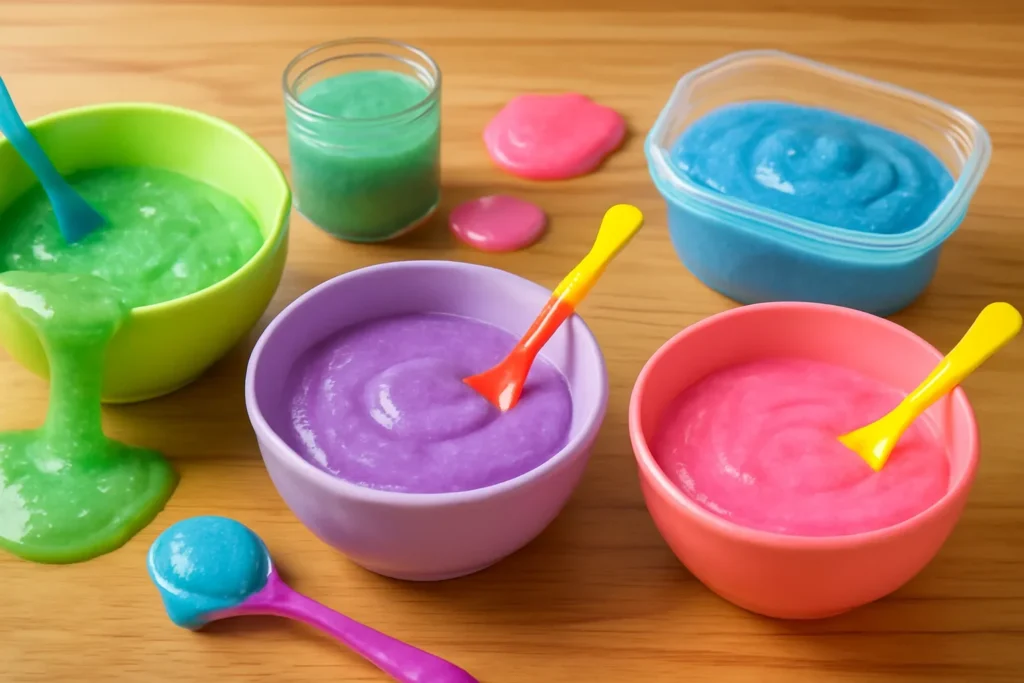

Creating magnetic putty at home is a rewarding DIY science experiment that blends chemistry, physics, and a bit of creativity. By using iron oxide powder as the magnetic component, you can produce a pliable, magnet-responsive material that’s perfect for classroom demonstrations, sensory play, or simple curiosity-driven projects. In this guide, we’ll walk through every step of making magnetic putty, explain why iron oxide works so well, and share tips for customizing the mixture for stronger magnetic response or softer texture. Whether you’re a teacher, a parent, or a hobbyist, this recipe provides a safe, inexpensive way to explore ferromagnetic materials while reinforcing core scientific concepts.
Materials Needed for Magnetic Putty
Before you begin, gather the following items. All components are readily available from craft stores, online retailers, or scientific supply catalogs. Using high‑quality ingredients ensures consistent results and minimizes health risks.
- Silicone oil or mineral oil (50 ml) – serves as the flexible carrier for the polymer.
- White glue (polyvinyl acetate, 100 ml) – provides the polymer base that gives the putty its elasticity.
- Iron oxide powder (Fe₂O₃, 1–2 g) – the ferromagnetic filler that reacts to external magnets.
- Optional additives: petroleum jelly for softer feel, or cornstarch to increase firmness.
- Measuring spoons, a small mixing bowl, and a stir stick.
- Protective gloves and a well‑ventilated workspace.
For safety data and handling guidelines, consult the CDC’s iron oxide page. Detailed chemical information about iron oxide can also be found on Wikipedia.
Preparing the Polymer Base
The polymer base gives the putty its stretchable and moldable qualities. Start by mixing the white glue with silicone oil in a 2:1 ratio (approximately 100 ml glue to 50 ml oil). Stir the mixture slowly to avoid introducing air bubbles, which can reduce the magnetic uniformity. The silicone oil acts as a plasticizer, lowering the viscosity and allowing the iron oxide particles to disperse evenly.
If you prefer a firmer putty, substitute part of the oil with a small amount of cornstarch—about one teaspoon. Alternatively, for a softer, more tactile feel, add a teaspoon of petroleum jelly. The resulting polymer should have a glossy, slightly oily texture that remains pliable at room temperature.
Incorporating Iron Oxide Powder
Iron oxide is a safe, widely used pigment in cosmetics and paints, making it an excellent choice for home experiments. Its magnetic susceptibility is sufficient to attract strong neodymium magnets while being chemically stable and non‑toxic when handled properly.
- Measure 1 gram of iron oxide powder using a precision scale. For a stronger magnetic response, you can increase the dosage up to 2 grams, but be aware that excessive filler may make the putty crumbly.
- Suspend the iron oxide in a tiny amount of silicone oil (about 5 ml) to form a smooth slurry. This pre‑mixing step prevents clumping when the powder contacts the larger polymer mixture.
- Gradually add the iron oxide slurry to the polymer base while continuously stirring. Use a slow, circular motion to ensure uniform distribution of the magnetic particles.
- Continue mixing for 3–5 minutes until the color becomes a uniform dark gray and the texture feels consistent throughout.
For a deeper scientific background on ferromagnetism, see the magnetism article on Wikipedia. University‑level explanations of magnetic particle suspension are available from ScienceDirect, though access may require institutional login.
Testing and Enhancing Magnetic Putty
Once the mixture is homogeneous, it’s time to evaluate its magnetic properties. Place a neodymium magnet (grade N52 recommended) near a small piece of the putty. If the material adheres and follows the magnet, the process was successful. For a quantitative test, you can measure the force using a simple spring scale attached to the magnet, noting the pull strength in grams.
To enhance performance, consider the following adjustments:
- Increase iron oxide concentration: Adding up to 3 grams can boost magnetic attraction but may compromise flexibility.
- Adjust polymer viscosity: More silicone oil yields a softer putty that conforms better to magnetic fields; more glue or cornstarch produces a firmer, more sculptable material.
- Temperature control: Slight warming (30‑35 °C) can make the putty more fluid, allowing the magnetic domains to align more readily.
When conducting the experiment in a classroom, align the activity with curriculum standards by referencing the NASA Science Education Framework, which emphasizes hands‑on exploration of magnetic forces.
Safety, Storage, and Cleanup
Although the ingredients are relatively benign, always observe basic laboratory safety:
- Wear nitrile gloves to prevent skin contact with the iron oxide powder.
- Work in a well‑ventilated area to avoid inhaling fine dust.
- Store the finished magnetic putty in an airtight container to prevent drying and to limit exposure to moisture.
Disposal should follow local hazardous waste guidelines for metal‑containing substances; many municipal programs accept small quantities of iron oxide. For further guidance, consult the EPA’s household hazardous waste page.
Conclusion
Making magnetic putty using iron oxide is a straightforward, cost‑effective method to create a hands‑on learning tool that illustrates core principles of magnetism, material science, and chemical engineering. By following the steps outlined above, you can tailor the hardness, magnetic strength, and color of your putty to suit educational or recreational needs. The process reinforces scientific inquiry, encourages creative problem‑solving, and provides a tactile bridge between abstract concepts and real‑world phenomena.
Ready to experiment? Try making your own Magnetic Putty today and share your results with fellow educators and hobbyists – the more you explore, the richer the learning experience becomes.
Frequently Asked Questions
Q1. What ingredients are needed to make magnetic putty?
You need white glue (PVA), silicone or mineral oil, iron oxide powder, and optional additives like petroleum jelly or cornstarch. Measuring tools, a mixing bowl, and safety gloves are also recommended.
Q2. Is iron oxide safe to handle?
Iron oxide is considered non‑toxic in small amounts and is used in cosmetics and paints. However, you should wear gloves, work in a ventilated area, and avoid inhaling dust.
Q3. How can I make the putty more magnetic?
Increase the amount of iron oxide up to 2‑3 grams, or use a stronger neodymium magnet for testing. Keep in mind that too much filler can make the putty brittle.
Q4. Can I change the texture of the magnetic putty?
Yes – add more silicone oil for a softer, stretchier putty, or incorporate cornstarch or extra glue for a firmer consistency. Adjust gradually and test the feel.
Q5. How should I store magnetic putty?
Keep the putty in an airtight container at room temperature to prevent drying. If it becomes stiff, a few drops of oil can restore pliability.