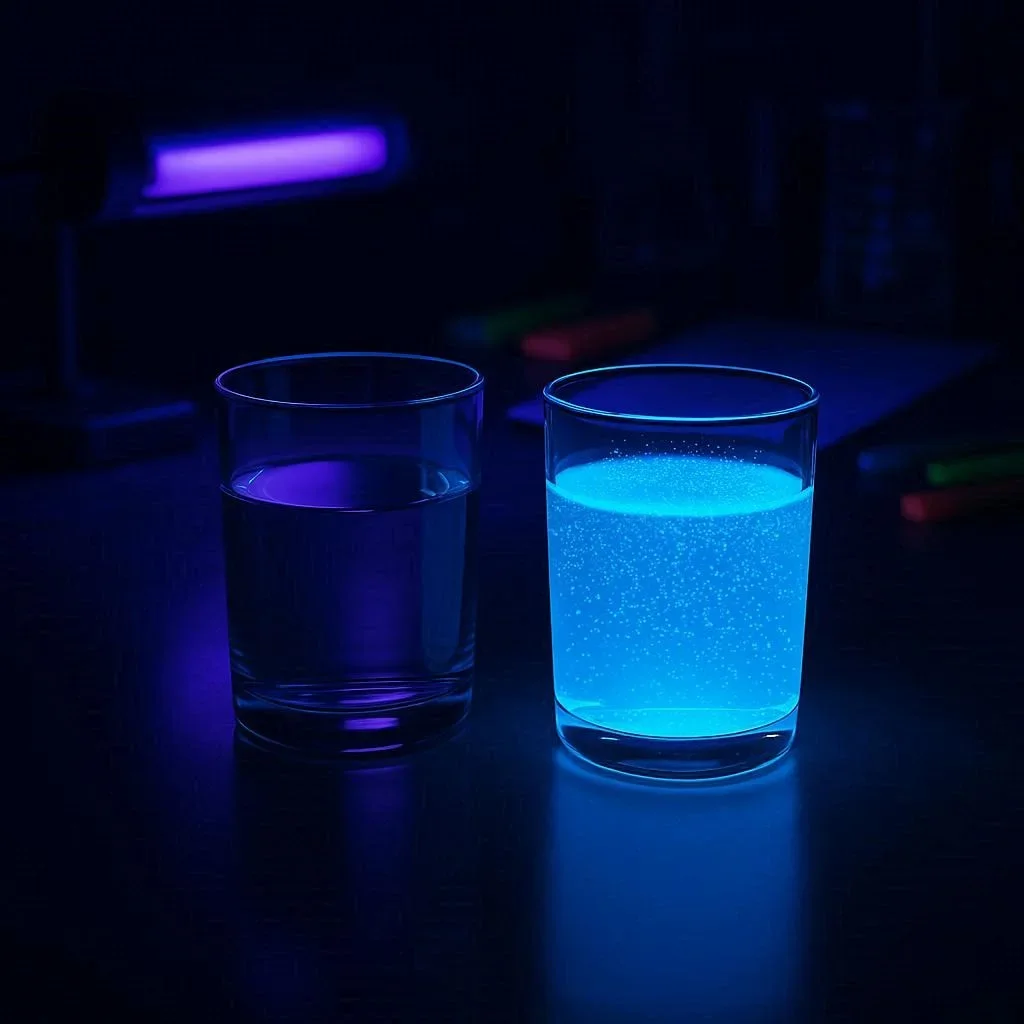

Lava lamp making captivates both hobbyists and science lovers alike, blending artistic design with the fascinating phenomenon of liquid immiscibility. A lava lamp consists of a viscous liquid that rises and falls due to heat, creating mesmerizing shapes and colors. By understanding the physics behind immiscible fluids, you can craft a customized lamp that not only looks incredible but also functions safely and efficiently.
Materials and Safety Checklist
Before you begin, gather the essential materials: a clear glass bottle (usually 16‑oz., 600‑mL capacity), a heat‑resistant oil such as a refined mineral or aniline oil, a light‑curing wax base, a small bulb or LED, and a heat source like a candle or electric heater. It’s also crucial to have a thermometer, a stirring stick, and a safety glass shield to protect against splatter. Following the safety checklist ensures you avoid burns, chemical leaks, or unintended reactions while working with liquids that have different densities.
Step‑by‑Step Lava Lamp Construction
1. Clean the bottle thoroughly and dry it with lint‑free towels. Impurities can hinder the motion of the fluid. 2. Add the oil to the bottle—approximately half of the total volume—leaving the remainder for the wax layers. 3. Gently melt the wax tablets in a microwave or double‑boiler until liquefied, then stir to ensure uniform color and texture. 4. Slowly pour the melted wax into the bottle on top of the oil, letting it settle in a layered fashion. The wax remains lighter than the oil due to liquid immiscibility; the two substances do not blend, creating a clear interface.
To finish the assembly, place a small bulb or a LED fixture at the base of the bottle. If using a traditional incandescent bulb, fit it into the top of a glass tube that sits inside the bottle, sealing the connection with silicone sealant. Finally, secure the bottle within the lamp frame that contains a heat source. When heated, the temperature differential causes the wax to rise, melt into the oil, then cool and sink, producing the classic lava lamp effect.
Understanding Liquid Immiscibility
Liquid immiscibility refers to the inability of two liquids to mix and form a homogeneous solution, often due to differences in polarity and molecular structure. Water and oil are classic examples: water molecules are highly polar, whereas oil molecules are non‑polar, so they repel each other. This polarity mismatch creates a stable boundary, which is essential for the buoyancy and motion seen in a lava lamp. According to the Immiscibility entry on Wikipedia, the phenomenon underlies many everyday products, from salad dressings to industrial emulsions.
In a lava lamp, heat from the bulb increases the temperature of the wax, reducing its density relative to the oil. The lowered density allows the wax to ascend. Once it cools, the wax gains density again and descends. The cycle repeats as long as the temperature differential persists, creating continuous motion. This dynamic equilibrium demonstrates how immiscibility and density differences interact to generate a visual spectacle.
Tips for Optimizing Visual Appeal
• Choose colored wax tablets that match or contrast with the oil for maximum contrast. • Apply a small amount of glycerin or a commercial clearifier to the oil to moderate the speed of the wax bubbles, producing smoother animations. Glycerin’s lower surface tension allows wax blobs to glide more gracefully, as explained in the NIST Chemical Properties database. • Ensure the bulb temperature is not excessive; higher temperatures cause rapid wax dissolution and can lead to overheating or lamp failure. • Add a slight tint of coffee or tea to the oil—this not only changes the hue but also slightly increases the viscosity, stabilizing the bubble ascent.
Common Pitfalls and Troubleshooting
Unexpected fogging, too rapid motion, or the wax floating to the surface are common issues. Fogging often results from excess oil vaporizing; lower the heater’s temperature or replace the bulb with a temperature‑regulated LED. Rapid motion, while attractive, can blur the effect; adding a small amount (usually 1–2 ml) of glycerin or a commercial stabilizer can temper it. Finally, if wax continuously floats, ensure the wax is not excessively heated during pouring—cool it slightly to maintain correct buoyancy.
Extending the Lamp’s Lifespan
Routine maintenance can preserve your lamp’s performance. Clean the lamp’s outer glass with a soft, alcohol‑free cloth to avoid scratches. Periodically replace the bulb if performance declines. For lamps that use a candle, always use a proper holder to prevent wax spillage and maintain airflow. By maintaining optimal temperatures and clear interfaces, your lava lamp will continue to charm for years.
Conclusion: Create and Shine With Your Own Lava Lamp
Fabricating a lava lamp is more than a craft; it’s a practical laboratory experiment in the physics of liquid immiscibility. By selecting the right materials, controlling temperature, and appreciating how densities interact, you can create a dynamic centerpiece that enchants guests or inspires students. Ready to dive into hands‑on science? Gather your supplies, follow the steps above, and let your creativity burn bright with a lava lamp you built yourself.
Frequently Asked Questions
Q1. How many glasses can I make with one bottle of oil?
If you fill the bottle with half the volume as oil, you typically get a large amount of wax layers that will fill the remaining space, resulting in one complete lamp. The actual number depends on the bottle’s size and the wax density.
Q2. Can I use a disposable LED light instead of a traditional bulb?
Yes, a low‑heat LED lamp or lamp strip can replace the incandescent bulb. Just ensure it fits the glass tube and does not exceed 120 W to avoid overheating.
Q3. What is the best type of oil for a lava lamp?
Most hobbyists favor refined mineral oil or aniline oil because of their low viscosity and high refractive index, which enhance visual clarity.
Q4. Do I need a specialized wax powder?
Commercial wax tablets are convenient but not mandatory. You can melt any stable wax, such as beeswax, with the same technique if you carefully adjust the color and density.
Q5. How can I keep the lamp from turning off unexpectedly?
Always secure the lamp within a ventilated enclosure, avoid drafts, and keep the heater level. Additionally, install a small thermostat for temperature control.