
Exploring the Science Behind Rainbow Bubbles
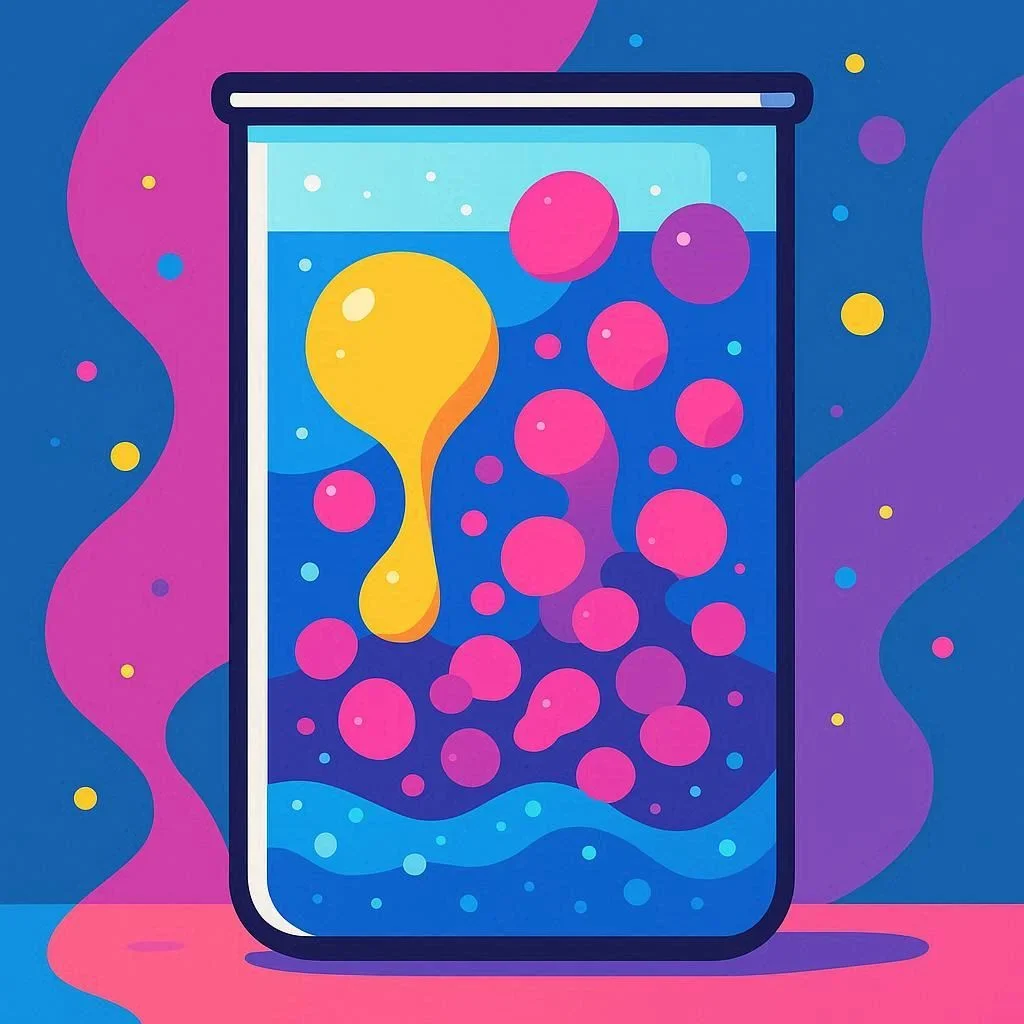
Rainbow bubbles are more than a whimsical delight; they’re a living demonstration of physics, chemistry, and color theory all rolled into one shimmering spectacle. When you pull a soap film out of a homemade solution, you’re actually creating a thin membrane that refracts light in fascinating ways. By harnessing these principles, you can transform everyday bubble experiments into a magical rainbow show for kids and adults alike.
📱 Download Our Apps on Google Play
Click any app below to install it from the Google Play Store.


The Physics of Bubbles
Bubble formation starts with surface tension—an attraction that pulls molecules at the liquid’s surface into a compact shape. The soap molecules in your solution surround the water, reducing that tension so the film can stretch across a frame or wand. When the film expands, the thin liquid layer becomes a miniature prism:
- Thin‑film interference: Certain wavelengths of light reinforce each other while others cancel out.
- Color reversal: The outer surface reflects slightly different colors than the inner surface depending on thickness.
Learn more about the science at the Simple Bubble Wikipedia page.
Why Colors Form in Bubbles
Unlike a stained‑glass window, a soap bubble’s thickness changes rapidly as it moves. You can think of each bubble as a dynamic interference filter, turning the spectrum of white light into a moving rainbow. The key ingredients for color are:
- Thin film: A perfect film with a thickness ranging from 300 nm to 4 µm.
- Varying thickness: As the film stretches or compresses, different wavelengths constructively interfere.
- Refractive index: The soap solution’s refractive index must be tuned (usually around 1.33) so that multiple wavelengths reflect.
The phenomenon is closely related to the Newton’s color wheel you might have seen in physics demonstrations.
Choosing the Right Ingredients
A successful rainbow–bubble recipe hinges on these core components:
- Water: Use distilled or de‑ionized water to avoid minerals that could clog the wand.
- Dish soap: A mild, glycerin‑rich soap (e.g., Fragrant soap) provides elasticity.
- Glycerin or corn syrup: Adds viscosity, extending bubble life and enhancing color layers.
- Color additives: Options range from liquid dyes (food coloring) to natural pigments.
A standard recipe: 1 cup distilled water + 3 Tbsp dish soap + 1 Tbsp glycerin. Stir gently to avoid foaming.
DIY Rainbow Bubble Solution (Recipe)
- Mix the base solution:
- Combine 1 cup (240 ml) distilled water, 3 Tbsp (45 ml) dish soap, and 1 Tbsp (15 ml) glycerin in a clean container.
- Stir slowly until a uniform solution forms—over‑stirring creates bubbles immediately and reduces longevity.
- Add color:
- Drop 5–10 drops of liquid food coloring into a small amount of the base solution. The key is to let the colors mix in a separate vessel before adding them to the main mixture to avoid uneven saturation.
- For a multicolored effect, prepare individual batches for red, blue, yellow, green, and purple. Combine them in a final ratio that gives a balanced rainbow display.
- Store properly:
- Keep the solution in a sealed, translucent container at room temperature. Avoid extremes of heat or cold, as they can separate the glycerin.
Pro Tip: A small splash of apple cider vinegar (about 1 tsp) can fine‑tune surface tension for even smoother color bands.
Adding a Splash of Color
If you’re aiming for vivid, saturated hues, the following techniques can help:
- Dilute the solution carefully: Sometimes a slightly diluted mixture (add ¼ cup water) can produce brighter bands by enabling a thicker soap film.
- Use ultraviolet light: A UV lamp can make certain dyes glow, creating a luminous rainbow effect during nighttime parties.
- Layer dyes: Place the most saturated color in the outer layer of the wand solution. As the film stretches, the colors will intermix naturally.
External Resource
For a deeper dive into how dyes interact with soap films, check out this educational video from the Science Kids website.
Safety Tips for Kids
While bubble making is usually harmless, it’s best to follow these precautions:
- Keep away from pets: Some soaps contain fragrance or dyes that can irritate animals.
- Avoid ingestion: Although soap is normally mild, kids should not consume the solution.
- Protect eyes: Provide protective eyewear if bubbles are made near bright lights or UV lamps.
- Hand hygiene: Wash hands after playing; soap residues can dry the skin.
Creative Ways to Use Rainbow Bubbles
Outdoor Rainbows
Create a bubble trail across a lawn and watch the waves of color refract from a sunset horizon. Document your experiment and share on social media using the hashtag #RainbowBubbles.
Classroom Demonstrations
Teachers can use rainbow bubbles to illustrate concepts like light wavelengths, thin‑film interference, or the principle of constructive interference. Pair the activity with a worksheet that asks students to color‑code the bands they observe.
Art Projects
Encourage kids to paint the bubbles afterward. The translucent film can serve as a unique backing for watercolor or acrylic art.
Events & Festivals
Incorporate rainbow bubbles into birthday parties or holiday celebrations. Combine with cotton candy or chocolate fountains for a full sensory experience.
Troubleshooting Common Issues
| Issue | Likely Cause | Fix |
|——-|————–|—–|
| Bubbles pop instantly | Solution too thin | Add more glycerin or soap |
| No color bands | Insufficient dye concentration | Increase dye drops or make a separate colored batch |
| Bubbles have uneven thickness | Wand too coarse | Use a fine‑mesh or purchase a professional bubble wand |
| Solution turns cloudy | Oxidation or contamination | Replace the solution and keep it sealed |
FAQs
Q: Can I use ordinary tap water?
A: Tap water works, but mineral deposits can clog the wand and reduce bubble lifespan. Distilled water is ideal.
Q: Will I need a special wand?
A: The classic paper cup or plastic straw works, but a bubble wand with a fine‑mesh frame provides more consistent coloring.
Q: How long does a rainbow bubble last?
A: With the right mix, a bubble can linger a few seconds—long enough for photos of the shimmering colors.
Q: Is the dye safe for children?
A: Use only food‑grade dyes; avoid cosmetic or industrial pigments.
Final Thoughts & Call‑to‑Action
Rainbow bubbles are a low‑cost, high‑impact way to spark curiosity and wonder. By understanding surface tension, thin‑film interference, and color theory, you can create a living classroom that delights the senses.
Ready to turn your backyard into a rainbow wonderland? Grab a bottle of dish soap, a splash of glycerin, and let the colors dance. Share your creations on social media with #RainbowBubbles and tag us—we love seeing your colorful experiments! If you’d like more DIY science projects, subscribe to our newsletter for weekly tutorials.

100+ Science Experiments for Kids
Activities to Learn Physics, Chemistry and Biology at Home
Buy now on Amazon
Advanced AI for Kids
Learn Artificial Intelligence, Machine Learning, Robotics, and Future Technology in a Simple Way...Explore Science with Fun Activities.
Buy Now on Amazon
Easy Math for Kids
Fun and Simple Ways to Learn Numbers, Addition, Subtraction, Multiplication and Division for Ages 6-10 years.
Buy Now on Amazon🚀 Try These Free Android Apps
Download these useful apps directly from the Google Play Store.